






When I joined Taimi as a Support Team Lead, the company was in full startup mode. We had ambitious goals for our LGBTQ+ dating platform, but the infrastructure? That was a whole other story. I was brought in to build the support processes and team from scratch – and what started as a focused role quickly expanded into something much bigger.
We're supporting over 24 million users, mostly in the USA, while also managing a growing B2B segment with advertisers. Along the way, we've integrated AI into our workflows, made countless mistakes, and learned what it really takes to scale customer operations.
Here's what that journey has taught me.
The reality of the Chief Customer Officer role
One of the first things you learn stepping into a Chief Customer Officer role: there's no standard job description. Every company defines it differently, and the scope you'll have in one organization might look nothing like what you'd encounter elsewhere.
In most cases, you're responsible for user retention and revenue at a global level, operating from a strategic position that means constantly developing and refining your vision. The real core of the role, though, is connecting all departments to achieve that common goal of making users successful. When users succeed, revenue follows. When revenue grows, you get the resources to reach your business goals.
Today, I oversee customer support, customer success, voice of customer programs, user research, content moderation and parts of our trust and safety operations.
Now, that's probably not what a CCO role looks like at your company. The key is understanding what your specific business needs from this position and building toward that.

Natural progression versus planned career growth
People often ask how much I planned my path to the C-suite. The honest answer: I didn't. I didn't join Taimi intending to become chief customer officer, and I didn't map out taking responsibility for multiple departments. It happened because I joined during the startup phase when many processes simply weren't working.
I took initiative to figure out what was broken. Then I fixed it. Then I took on more. Each time I saw something that needed attention – moderation processes, user research, customer success – I raised my hand. Eventually, that led to the C-level.
The path wasn't planned, but certain things made it possible. My desire to constantly learn and progress. The initiatives I took. My ability to pick up something new and actually implement it in the company. You might not plan every step of your career, but you can cultivate the mindset and habits that make growth more likely.
Managing B2C versus B2B customer success
We run both B2C and B2B operations at Taimi, and the differences in managing customer success across these segments are significant.
With B2B, you're deeply connected with clients. You can focus on them individually, support them throughout their entire customer journey, and build real relationships. It's personal and highly strategic.
B2C operates on a completely different scale. With millions of users, individual connections aren't possible. Instead, it becomes about providing good support for those who are struggling or reaching out, while also analyzing all the feedback and ideas users share – then figuring out, with other teams, what you as a product can do to make those users more successful.
B2C requires you to think in patterns and trends rather than individual relationships. Both approaches aim for the same outcome, but the tactics and mindset are different.
The unique dynamics of serving the LGBTQ+ community
The general challenges are the same regardless of audience: growth, retention, reducing churn, helping users reach their "aha" moment. Our community brings something extra to that work.
Compared to my experience with mainstream dating apps, Taimi's users are more involved and engaged. They feel a deeper commitment to the platform, which translates into more feedback, more insights, and a constant stream of ideas for improvement. This level of engagement is something I genuinely value. They're invested in making our product better, rather than just using the product.
That engagement also raises the bar. We get richer data about what users need, but we're also expected to understand not just their functional needs, but the specific challenges and considerations of the LGBTQ+ community – particularly around trust and safety.
Essential skills for moving from customer success leadership to Chief Customer Officer
Certain skills become critical if you're looking to make this jump.
First: soft skills, particularly negotiation and relationship building. These matter both with clients and internally – with leadership and teammates. Customer success involves constantly advocating for the customer voice in rooms where other priorities compete for attention. Without those skills, you won't be heard.
Initiative is equally important. Doing your job and hitting your KPIs isn't enough. You need to want more, ask for more, and develop yourself as a professional. The people who advance are the ones who see beyond their current scope and actively work to expand it.
Understanding business operations at a fundamental level becomes critical at the C-level. You need to grasp how the business works, what it's struggling with, and the natural rhythms of your industry. At this level, you're synthesizing information from multiple sources – not just what customers tell you, but what the business needs to be in two years, five years, and what steps will get you there.
The hiring mistake that cost us the most
I've made plenty of mistakes, but the biggest ones all come back to hiring.
As a manager building a team from scratch, hiring is the most important part of the job. During our scaling phase, I felt pressure to fill seats quickly to meet user expectations. That rush meant the quality of hiring wasn't always what it should have been. The negative outcomes rippled through everything – customer experience, team performance, business results.
The lesson hit hard: hiring well matters more than hiring fast. You won't always detect problems in the interview process, but when you realize someone isn't the right fit, you need to act. It's better for everyone, including them. Someone who struggles in one environment often thrives somewhere their skills and motivations align better.
Now, I treat hiring as the strategic function it is. Taking time to find the right person pays off more than rushing to fill a position.
Implementing AI was our biggest challenge last year
Over the past year, our biggest challenge – and achievement – has been implementing AI across different processes. We're doing this with our own development resources, which means we face all the typical struggles: AI hallucinations, constant prompt updates, system failures where responses aren't generated on time.
We use AI in two key areas.
1. Feedback
In parts of our product where customers leave feedback and ideas, AI helps us gather statistics, tag ideas, and identify the most popular requests and which areas they affect. This gets summarized in a dashboard that helps us discuss with the product team what to prioritize next.
2. Support chats
We've also implemented AI in support chats. As we grow, that growth creates real challenges for customer support and success teams who need to adjust to new scope quickly. AI handles simpler questions and first responses. The goal is to eventually have it manage complete conversations for routine issues.
 Grace Gupta
Our current challenge? Strategic planning
Right now, what keeps me up at night is strategic planning for next year. We're in sessions with leadership, discussing positions, ideas, and priorities across all departments. The challenge is knowing what to focus on when everything seems important.
Every product has its ups and downs, and depending on where you are in that cycle, you react differently. At the C-level, you can't relax during the good times thinking they'll last. You need to prepare for both.
Setting the right goals at the company level, then breaking them down to department level and below, determines your trajectory. Choose the right focus, and you make real progress. Choose wrong, and you waste time and resources you can't get back.
Building culture and feedback loops in your team
For anyone recently promoted to managing a CSM team, my advice is straightforward: build culture inside your team and create proper feedback loops.
Culture drives performance, resilience, how the team tackles problems, how they work with other departments, and how motivated and empowered they feel. Start by figuring out your vision for the team and work to build that at the highest level possible. Human interactions are the core of all future business growth.
Feedback loops matter just as much. Your team needs to know how they're doing, what's working, and where they can improve. You need their feedback too – on processes, challenges, and opportunities they see from the frontline.
Justifying budget for customer success tools
When you need to justify budget for customer success tools, focus on what the business gets after implementation. The conversation always comes down to money – either you're driving revenue or you're saving costs.
If you're in a revenue-driving position, and a particular tool helps you talk to more clients or predict their behavior better, future revenue growth is your justification. If your department is more focused on cost savings and operational efficiency, it's about whether this solution makes the company more efficient.
Money is the common language at the leadership level. When thinking about how to sell a tool to your C-level peers, lead with financial impact.
 Stuti Bhargava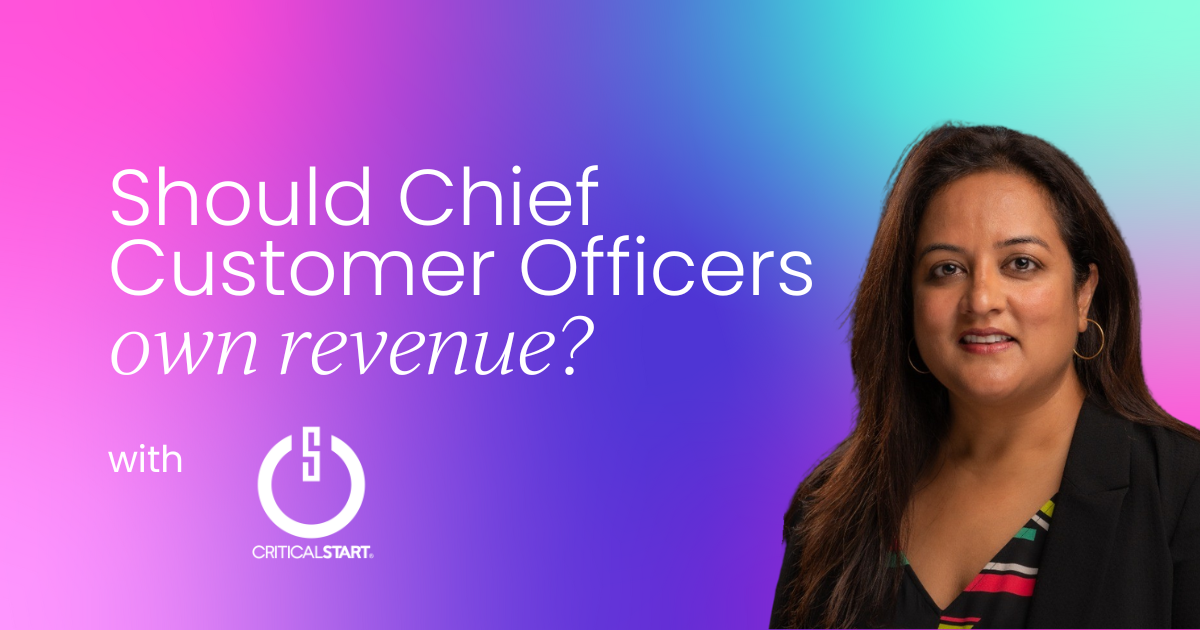
Resources for upskilling
A few book recommendations worth the time: "Radical Candor" for developing your management style, "Turn the Ship Around" for leadership dynamics. There's also a coaching book based on the coach who worked with Bill Gates and other Silicon Valley executives – the real stories make the concepts stick.
For actual upskilling, I prefer training programs to most books. Reforge courses, while focused on tech professionals, give you solid understanding of how product, marketing, and other functions work. Understanding how other teams make decisions helps you negotiate better when you need to align goals.
LinkedIn groups and customer success communities are useful for ongoing learning. What works best for me at this level, though, is direct knowledge sharing with peers. Connect with people who inspire you or have expertise in specific areas. Reach out for focused conversations and ask the specific questions you're working through.
Books and training don't always have the exact answer you need. People who've solved similar problems do.

Retention and revenue aren't separate goals
One question I hear often: how do you convince leadership that retention matters even when it's flat?
Retention and revenue are connected metrics. Better retention leads to recurring revenue. If you focus only on revenue without caring about retention, you might get that first charge, but you won't build a base of satisfied users who come back.
Building a product that doesn't solve real problems generates initial revenue. Then customers figure it out, become dissatisfied, and leave. The companies that understand the connection between retention and sustainable revenue build businesses that last. Make that connection visible to leadership, and the conversation gets easier.
This article has been adapted from Julia's talk at Customer Success Summit London 2024. You can watch the full session, and others like it, with a CSC Pro+ membership plan.


Become a CSC Insider
Thank you for subscribing
Get exclusive insights, frameworks, and strategies from customer success leaders driving real business impact.
An email has been successfully sent to confirm your subscription.
 Follow us on LinkedIn




Start the conversation
Become a member of Product Marketing Alliance to start commenting.
Sign up now