









This article is based on a presentation given by Keren at our Customer Success Festival in Boston 2023.
Catch up on this presentation, and others, using our OnDemand service. For more exclusive content, visit your membership dashboard.
When it comes to cross-functional collaboration, the journey from recognizing adversarial tensions to fostering a culture of advocacy is both challenging and rewarding. It's about weaving a tapestry of mutual understanding, respect, and cooperation across every department within a company.
I’m Keren Corley, Director of Customer Success Digital Programs at Collibra, and I've navigated through diverse roles and organizational cultures, each offering unique insights into the art of building bridges between teams.
My experience has taught me the power of connection, the value of every team member's contribution, and the transformative impact of collective effort.
In this article, I’ll share strategies that have proven effective in driving cross-functional alignment, ensuring that teams not only work alongside each other but truly work together toward shared success.
Embracing the power of uncovering blind spots
One of the most critical steps in improving cross-functional collaboration is to uncover blind spots within our teams and ourselves. This is particularly vital for someone new to an organization or in roles like customer success, where we often see challenges and opportunities that others might miss.
From the customer success vantage point, it's clear that product teams, while highly focused on enhancing the platform, might not always see the immediate struggles customers face – such as issues with implementation or utilizing specific features. Providing these insights to the product team can significantly impact their strategic focus, ensuring it aligns more closely with customer needs.
However, uncovering blind spots isn't solely an external exercise; it's also about introspection. Early in my tenure in customer success, I encountered my own blind spots. I initially believed that my sole presence and intent to help would be universally welcomed.
Yet, I faced resistance and learned that departments like sales have their own priorities, such as achieving new customer acquisition targets, which might not immediately align with adoption strategies.
Moreover, in the digital space, there's a misconception that the aim of digital Customer Success Managers (CSMs) is to replace traditional roles, fostering fear rather than collaboration. Addressing these concerns directly and reassuring colleagues that your role is to enhance, not replace, their efforts is crucial.
It's essential to approach the discovery and discussion of these blind spots gently. The goal is not to accuse or confront but to engage in constructive dialogue. Asking if someone is open to feedback before sharing insights is a respectful and effective way to initiate these conversations.
Another common area where blind spots occur is within marketing and enablement teams. These departments might overlook the critical role of customer success, focusing instead on training sales or IT personnel.
It's vital to remind them of the importance of integrating customer success into the broader organizational picture, ensuring all teams are trained to understand and value the contributions of customer success to the company's goals.
Identifying and addressing blind spots – both within our teams and ourselves – is a foundational step towards building a cohesive, cross-functional environment where collaboration and alignment thrive.
 Grace Gupta
Navigating behind the scenes
Knowing what and who is behind the scenes is crucial, as it encompasses both the operational systems and the individuals that keep our organizations running smoothly. It's easy to become so engrossed in customer interactions and success plans that we overlook the operational backbone of our efforts.
In my current role at Collibra, we embarked on a project dubbed "Simplify" aimed at cleaning up our Salesforce instance. This initiative was born out of the realization that a cluttered CRM system, filled with bad data, becomes a significant hurdle for everyone, particularly CSMs and sales teams. The time and effort wasted in navigating through inefficient data entry processes can be substantial, detracting from our primary goal of serving the customer effectively.
Understanding the pain points associated with these systems is not just beneficial but essential. It enables us to identify areas for improvement that can make everyone's job easier, from sales and marketing to customer success.
For instance, ensuring that the renewal process in Salesforce doesn't just mirror the sales process, but also integrates seamlessly with the adoption and expansion phases, can create a more unified and efficient operational flow.
Equally important is recognizing the human element behind these systems. Individuals who have long-tenured positions within the organization often possess invaluable tribal knowledge. Listening to their experiences, successes, and failures can provide critical insights that guide more informed decision-making. They help us understand the historical context of certain operational strategies, including what has been tried before and why it may have failed, allowing us to avoid repeating past mistakes.
Aligning our efforts with those of the go-to-market teams is another area where knowing the behind-the-scenes operations pays dividends. By understanding their current focuses, such as specific features or campaigns, we can tailor our customer success strategies to complement these initiatives, facilitating better customer adoption and satisfaction.
Furthermore, engaging with the data governance office can uncover ways to leverage data more effectively. In today's digital age, data is abundant, but without proper organization and governance, it's challenging to utilize it to its full potential.
Building relationships with those who manage this data can significantly enhance our ability to make data-driven decisions and improve operational efficiencies.
Finally, fostering strong relationships with operations staff and administrators has been a cornerstone of my approach. Demonstrating to them that your requests are not just whims but are aimed at enhancing business operations can lead to more significant support and more effective implementation of your initiatives.
Knowing what and who is behind the scenes is about more than just understanding the operational mechanics of our organizations. It's about recognizing the importance of every individual's contribution to the operational ecosystem, respecting the historical knowledge within the company, and aligning our actions with the broader organizational goals.
By doing so, we not only streamline our operations but also build a more cohesive, collaborative, and effective team dynamic.
Integration over separation
In my continuous journey to promote cross-functional collaboration, I've come to embrace a crucial principle: integration over separation.
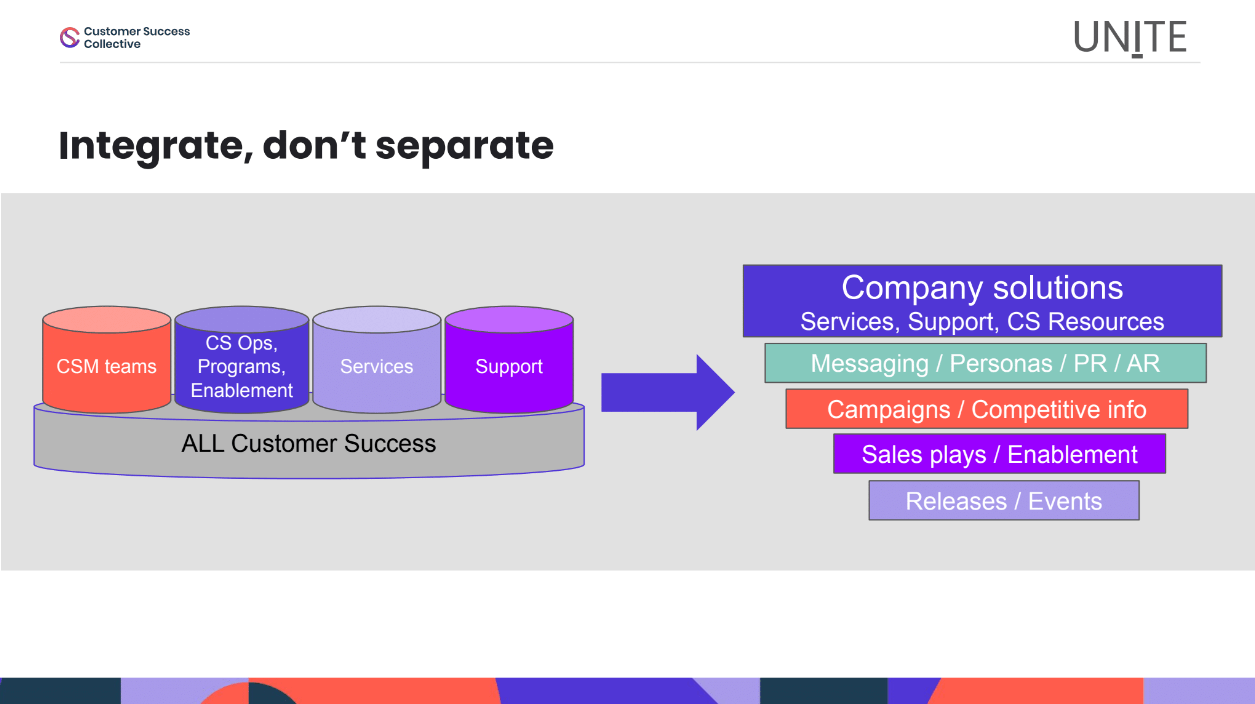
It's important to align customer success with other departments such as sales, marketing, and enablement. Too often, CS operates in silos, using distinct systems and processes that, while effective on their own, could significantly benefit from integration with wider organizational strategies.
A common misconception I encounter is the narrow perception of customer success as merely the domain of CSMs. This limited view overlooks the broader ecosystem of services, support, operations, and program management – all pivotal components of a holistic CS strategy. By uniting these elements under a common goal, we can ensure a cohesive approach to customer engagement and satisfaction.
Imagine the synergy when CS is actively involved in articulating the value of our products and how they meet customer needs. This involves not just selling a product but showcasing the comprehensive support ecosystem that ensures customers can leverage these solutions effectively. Simple adjustments to our messaging can significantly elevate the visibility and perceived value of CS, embedding it as an integral part of the company's value proposition.
One of my most rewarding experiences has been my involvement in the product release process. Traditional release communications tend to focus on the features and benefits of new products, often leaving customers wondering about the "how:"
- How to get started
- How to integrate new features into their workflows
- How to maximize value from their investment
By incorporating CS into this process, we can provide immediate answers to these questions, offering guidance on adoption and best practices right from the start.
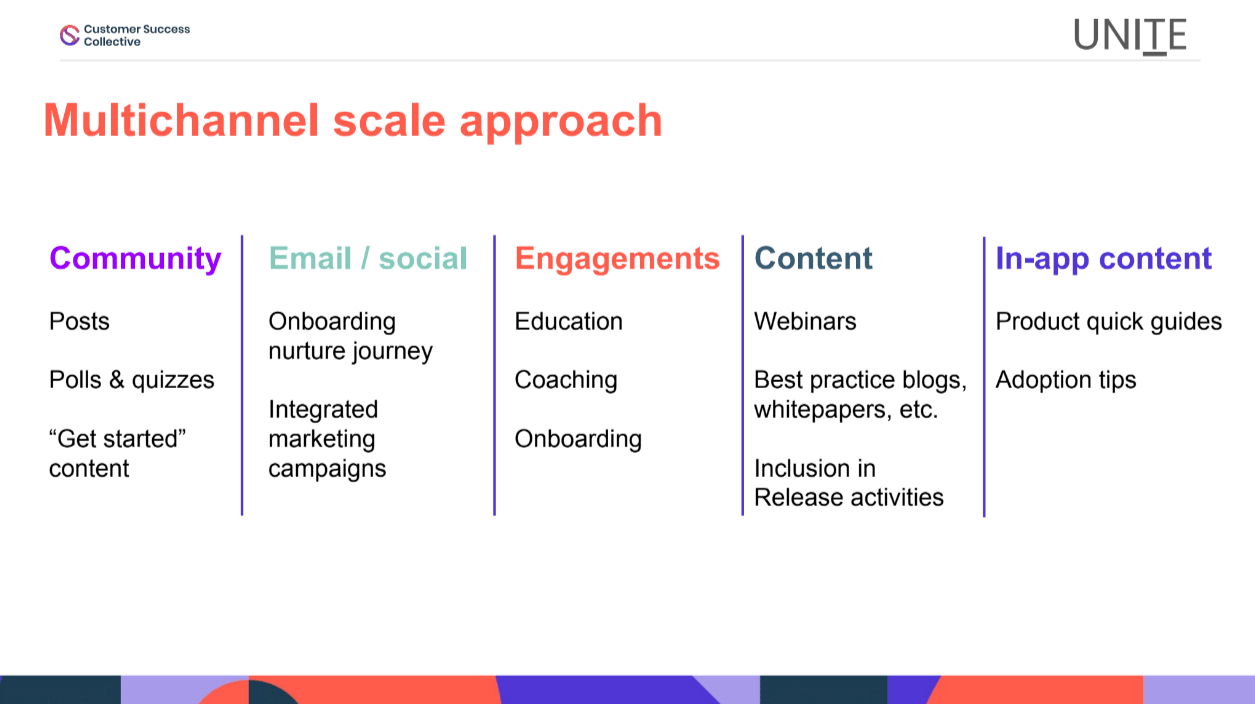
Adopting a multi-channel approach to customer engagement has also proven invaluable. Drawing from my marketing background, I've explored various avenues to enhance the customer journey, from webinars and community engagement to regular best practices features.
This strategy not only diversifies the touchpoints with our customers but also ensures that our guidance is seamlessly woven into the broader narrative of our brand and product offerings.
The essence of integrating rather than separating lies in creating a more unified and powerful customer experience. By breaking down silos and fostering collaboration across departments, we can present a united front that not only sells products but also provides the support and guidance customers need to succeed.
This approach not only enhances customer satisfaction but also elevates the role of CS within the organization, ensuring it is recognized as a critical component of our overall success strategy.
Transforming transitions into moments of truth
In CS, transitions represent pivotal opportunities to set the tone for the entire customer journey. A standout example is the kickoff meeting, a moment charged with anticipation and readiness from the customer's side.
To capitalize on this enthusiasm, it's essential to ensure that the full support team, including CSMs, services teams, and, if applicable, premium support engineers, are present from the start. This approach not only demonstrates our commitment to their success but also facilitates a smoother transition to the operational phases of their journey, making subsequent interactions, such as going live, more seamless and personal.
The challenge with transitions lies in the diversity of paths and perspectives involved. Our customers and internal teams approach these phases with varied strategies and understandings, leading to a mix of efficiency levels and, occasionally, frustration. Recognizing this complexity underscores the importance of guiding each transition with clarity and purpose.
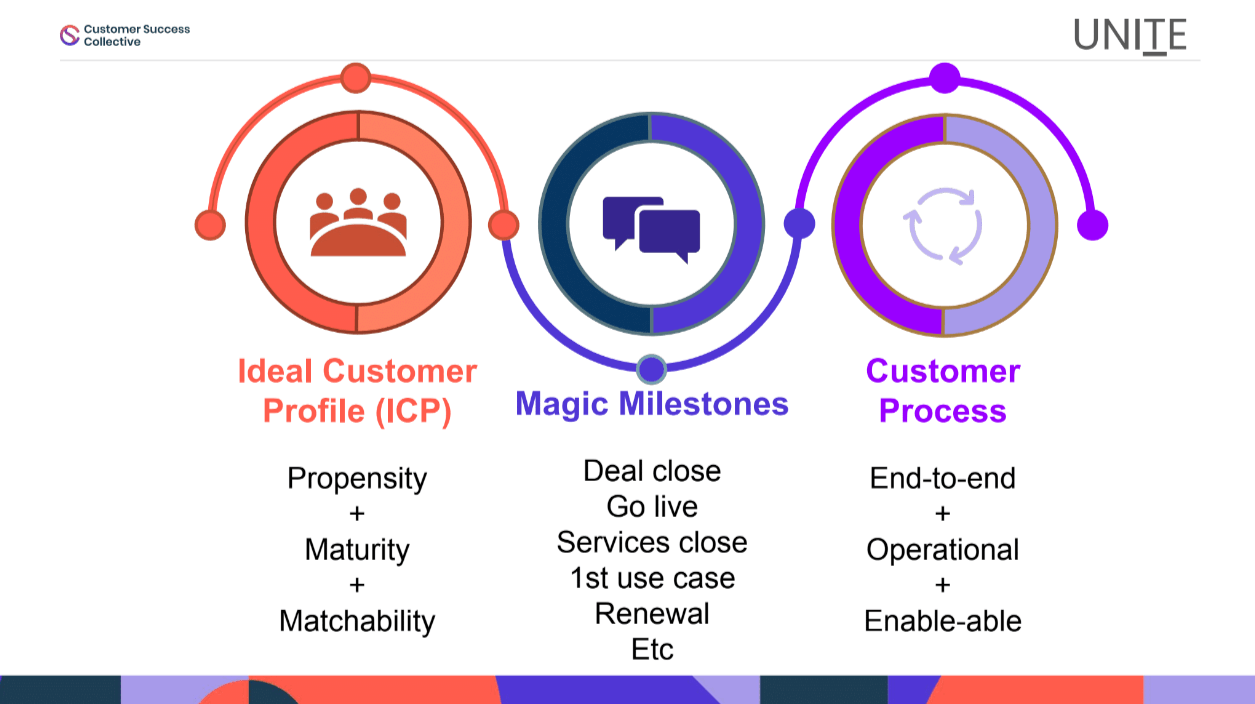
A unifying strategy I've found effective is anchoring transitions around the ideal customer profile (ICP). By defining clear criteria for our target customers – including their propensity to buy, maturity level, and the alignment of their challenges with our solutions we can ensure that our efforts across departments are cohesive and targeted. This alignment facilitates not just operational efficiency but also strategic growth, from acquisition through to expansion.
Acknowledging and celebrating key milestones in the customer journey are crucial. From the deal close to the implementation and the moment the customer goes live, these milestones are opportunities for collective celebration, reinforcing the collaborative efforts of sales, customer success, and technical support. These celebrations not only bolster team morale but also strengthen the customer's perception of value and partnership.
Adopting a customer-centric viewpoint requires us to think of the sales journey not just as a series of transactions but as an ongoing process of engagement and support. This mindset shift towards viewing it as a “customer process” emphasizes the need for a seamless, end-to-end experience that integrates customer success from the outset.
Operationalizing this approach ensures that the journey is not only understood but also embraced by all stakeholders.
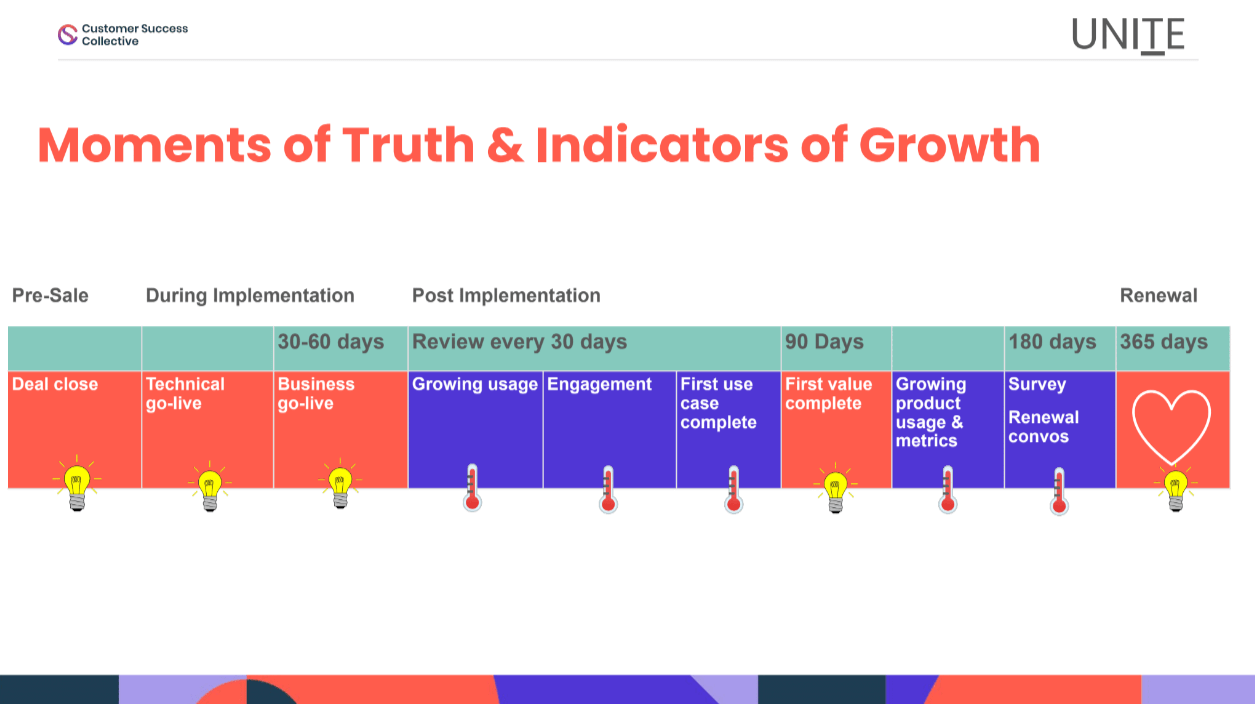
To make these transitions meaningful and measurable, I advocate for identifying moments of truth and indicators of growth. By setting specific goals and milestones, such as achieving "first value," we can quantify the customer's journey in terms of tangible achievements and satisfaction.
These milestones serve as both celebrations of progress and benchmarks for continuous improvement, guiding our strategies and interventions to align with the customer's evolving needs.
The journey of integrating customer success into the broader organizational fabric is both challenging and rewarding. By focusing on meaningful transitions, celebrating milestones, and aligning our efforts around the customer's needs and successes, we can create a cohesive and impactful experience.
This approach not only enhances customer satisfaction and loyalty but also fosters a culture of collaboration and achievement within our teams, driving towards a unified goal of delivering exceptional value.
GUIDEcx
Transforming rivals into allies
In the final stretch of our journey to foster cross-functional collaboration, we encounter a particularly nuanced strategy: turning our "frenemies" into allies. These individuals or teams, traditionally seen as antagonists or competitors within our own organizations, hold untapped potential for collaboration and mutual success. The challenge and opportunity lie in shifting these dynamics towards a more productive and harmonious relationship.
Recognizing the untapped potential of internal competitors
One effective method I've embraced to bridge the gap with potential frenemies is by spotlighting their expertise and contributions, essentially making them heroes of our collective story. This approach not only recognizes their skills and achievements but also positions them as invaluable collaborators in our customer success endeavors.
Leveraging talent across departments
For instance, in leveraging my multi-channel approach, I've invited sales leaders to feature their top performers, like a "demo artist," in webinars or content pieces. This not only highlights their talent and hard work but also offers them recognition and motivation, especially when other forms of reward may not be feasible. It's a gesture that fosters goodwill and demonstrates the value of collaboration across departments.
The ripple effect of collaboration
Expanding the collaboration into content creation, such as blog writing, offers another avenue to strengthen ties with our frenemies. While acknowledging that not everyone possesses refined writing skills, the inclusion of diverse perspectives enriches the content and showcases the depth of knowledge within our teams.
By providing editorial support, we can ensure that their insights shine, further elevating their status as thought leaders and contributors.
This collaborative effort not only benefits the individuals involved by boosting their profile and satisfaction but also enhances the overall value delivered to our customers. When these team members share their positive experiences of working with customer success, it reinforces the perception of CS as a critical, integral partner in the company's ecosystem.
The overarching theme of transforming adversaries into advocates aligns with the foundational principles we've explored: Unite around common goals, uncover and address blind spots, know the operational landscape, integrate efforts, make every transition count, and, finally, enlist those once considered rivals.
Final thoughts
The journey to drive cross-functional alignment is complex, requiring a multifaceted approach and a deep understanding of the dynamics within our organizations. By adopting strategies that not only recognize but actively engage and elevate our colleagues across different functions, we pave the way for a more integrated, collaborative, and successful organization.


Become a CSC Insider
Thank you for subscribing
Get exclusive insights, frameworks, and strategies from customer success leaders driving real business impact.
An email has been successfully sent to confirm your subscription.
 Follow us on LinkedIn