










Churn is often seen as a customer success (or technical success) problem.
A customer is unhappy, adoption is low, the executive sponsor has disappeared, and value is not being realized. The renewal is at risk. At Airlock Digital, I've learned this the hard way.
One of the clearest examples was looking at customers who, on the surface, weren't necessarily angry or actively complaining, but were sitting well below where we needed them from an enforcement perspective. They'd deployed, they'd moved into audit, but hadn't progressed into meaningful enforcement.
That's a hugely different churn signal to a customer saying "we're unhappy." It's quieter, but just as important. It taught me that churn risk isn't always loud. Sometimes it looks like stalled progress, low confidence, or no clear owner on the customer side.
Some of the most important churn signals haven't arrived neatly at renewal time, but much earlier – in a stalled implementation, a champion who stopped engaging, or feedback that sounded like a product request on the surface but was really a confidence issue underneath.
That's changed how I think about churn. I no longer see it as something customer success (CS) catches at the end of the lifecycle. I see it as something the whole business either notices early, understands properly, and acts on – or misses until it's much harder to change the outcome.
Churn usually starts before renewal
By the time a customer says they may not renew, the real issue has usually been building for months.
It might have started during onboarding when momentum slowed, or deployment stalled. It might have started when the product was working, but the customer hadn't embedded it into their day-to-day operations or change management processes. At Airlock Digital, it often started when the customer struggled to move from audit into enforcement.
From the outside, that can look like an adoption issue. But when you get closer, the blocker is often confidence. The technical CS team may understand the value of enforcement, but they're worried about operational impact, internal change control, application compatibility, or how they'll explain the move to other parts of the business. They're not saying "we don't see the value." They're often saying "we're not confident enough to take the next step yet."
That's where technical success and customer success have to do more than just ask, "When are you moving to enforcement?" We need to understand what's actually stopping the customer. Is it a technical concern? A process issue? A lack of internal ownership? A need for better reporting? Or is there something in the product experience that's making the next step harder than it needs to be?
That context matters because your product team can't solve a vague statement like "the customer isn't adopting." But product can work with clear patterns. If multiple customers are stalling at the same point in the journey, asking the same questions, or needing the same level of reassurance before they move forward, that tells us something useful.

Product data tells you what. Customer context tells you why.
Product teams often have access to usage data, feature adoption, telemetry, and product feedback. All incredibly useful. But data alone doesn't always tell the full story.
A customer with low usage may be disengaged, or they may be blocked by internal processes. A customer with low enforcement may not be avoiding the product – they may simply lack stakeholder alignment. A customer raising a lot of support tickets may not be difficult; they may be showing us where the product or process is harder than it needs to be.
At Airlock Digital, the technical success and customer success teams are close to the customer's reality. We see friction that doesn't show up on the dashboard. We hear the hesitation behind the questions. We know when a champion has left, when priorities have shifted, or when the customer is struggling to explain value internally.
A good example: we've had customers show low enforcement and limited progress, but the real issue wasn't lack of interest. Sure, the original champion had left and the operational owner had changed. It was crystal clear that the customer had lost internal momentum. And while the data could show us that progress had stalled, it wasn’t definitive on the “why.”
In one case, the important shift wasn't a product change at all. It was re-establishing ownership, resetting the success plan, and helping the customer understand the next practical step rather than leaving them sitting in an extended audit phase.
Yes, product data shows the pattern, but customer context explains it. The real value is in the marriage of these two things.
 Raymond Otero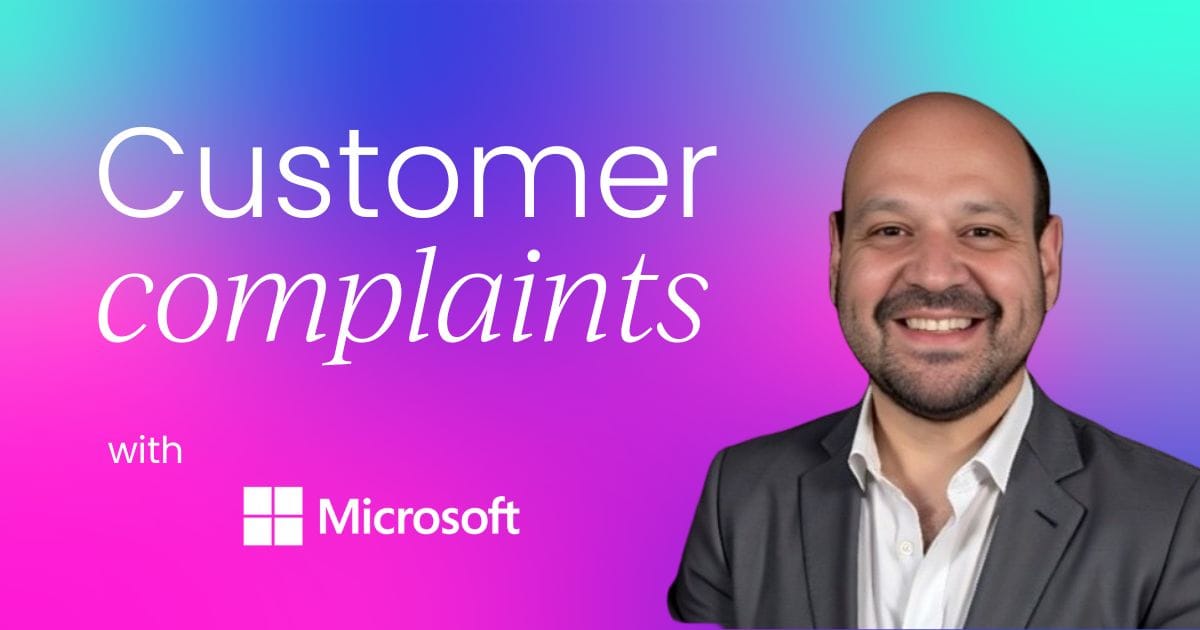
Turning customer feedback into product intelligence
One of the biggest mistakes companies make is treating customer feedback like a list of requests. One customer asks for a feature, another says implementation was hard, another says reporting could be better. On their own, these sound like one-off issues. When the feedback is captured properly, themes start to appear.
Where are customers getting stuck? What parts of implementation take too much manual effort? What questions come up repeatedly? What objections are we hearing at renewal? What gaps are creating real commercial risk?
This is where CS and technical success need to be disciplined. Product doesn't need a dumping ground of customer opinions – they need clear, prioritized insight.
Earlier in my time at Airlock, I could see how easy it was for feedback to become fragmented. A comment would come through a customer call, another through support, another in a renewal conversation, another raised directly with our product team. None of those pieces were wrong, but on their own they didn't always tell the full story.
What we needed was to triage and group feedback into themes: where customers were getting stuck, what was creating support load, what was slowing time to value, and what had a genuine commercial impact. That changes the conversation with your product team from "this customer asked for this" to "this is the pattern we're seeing, and this is why it matters."
There's a real difference between a loud customer request, a usability issue, an enablement gap, a genuine product gap, a commercial risk, and a strategic opportunity. In my experience, that distinction matters.
Not every churn risk needs a new feature. Sometimes it needs better onboarding or implementation. Sometimes clearer documentation or better training. Sometimes stronger executive alignment. And yes, sometimes it does need product to solve something in the product. The value is knowing the difference.
What product teams need to understand about the customer journey
Product teams shouldn't only hear from customer success when something has gone wrong. They need visibility into the customer journey itself.
At Airlock Digital, that means understanding how a customer moves from purchase through implementation, deployment, policy development, audit, enforcement, and into ongoing operational maturity. Each stage has different risks – and real customer behavior attached to it.
A customer can complete implementation and still not be confident enough to enforce. They can have agents deployed but no clear operational rhythm. They can have technical users who understand the product, but senior stakeholders who don't yet see the value. These are the moments when product, technical success, and customer success need a shared view of what "healthy" actually looks like. Otherwise, you risk celebrating progress too early.
When your product team understands those stages, roadmap decisions connect more directly to real customer outcomes. It also helps avoid a common trap: building more features without fixing the friction that stops customers from getting full value from what already exists. Simplifying a workflow, improving visibility, reducing manual steps, making reporting clearer – these things may not look exciting, but they can make a real difference to retention.
 Grace Gupta
Build a real feedback loop
The relationship between product and customer success teams needs major structure. It can't run on random Slack messages alone, or the odd escalation call or customer anecdotes. Those definitely have their place, but they don't create a repeatable way of working in the long term.
A strong feedback loop should be simple but consistent. Customer success brings clear themes from the field. Product shares what's a priority, what isn't, and why. Customer support brings recurring friction points. Sales shares what's being promised in market. And your leadership team balances customer needs with commercial priorities.
That loop should help everyone answer the same questions: What are we hearing from customers? Is this an isolated issue or a pattern? What's the customer impact? What's the commercial impact? What are we doing about it? What have we decided not to do?
Without that discipline, feedback is arnoise. With it, feedback becomes intelligence.

Bring commercial judgment into the conversation
One of the most valuable things CS can bring to product is commercial judgment.
Not every customer request should change the roadmap, and not every feature gap carries the same risk. CSMs need to help product managers understand the business context behind the feedback. Is the issue one customer or many? Is it slowing onboarding? Delaying time to value? Putting renewals at risk? Creating unnecessary support load? Preventing expansion?
A feature request from one customer may not justify a roadmap change. But if the same theme appears across customers who are slow to onboard, slow to enforce, raising repeated support tickets, or approaching renewal without a clear value story, it becomes a different conversation. That's when CS needs to connect the dots. The issue is no longer "a customer asked for something." It becomes a question of time to value, confidence, and retention.
A stronger conversation is: "Here's the pattern we're seeing. Here's the impact on the customer. Here's the commercial risk. Here's the outcome we need to improve." That's how customer success becomes a strategic partner to Product, not just a messenger.
Churn prevention is a team sport
The best companies treat customer success as a business signal – that the customer journey, product experience, implementation model, value story, or commercial relationship needs attention. CS is often closest to that signal, but product is critical to solving it properly.
At Airlock Digital, the best outcomes happen when we're not working in silos. Our technical success team brings context. Product connects that context to the product's direction. Support identifies repeat friction. Sales understands what successful customers actually need after the deal is signed. Leadership creates the space for honest conversations about what's working and what isn't.
It's not about blaming product for every gap, or expecting CS to save every account. It's about building a shared understanding of the customer journey, using evidence rather than assumptions, and making better decisions together.


Become a CSC Insider
Thank you for subscribing
Get exclusive insights, frameworks, and strategies from customer success leaders driving real business impact.
An email has been successfully sent to confirm your subscription.
 Follow us on LinkedIn




Start the conversation
Become a member of Product Marketing Alliance to start commenting.
Sign up now