












After more than two decades of leading various teams to include customer success (CS) teams, through growth spurts, market pivots, and the occasional corporate earthquake, I’ve learned a hard truth: the fastest way to frustrate customers – and burn out your team – is to cling to a structure that no longer fits the reality you’re in.
I’ve helped to rebuild teams mid-merger, reinvented workflows after product launches, and untangled processes that looked more like spaghetti code than strategy.
Along the way, I’ve discovered that restructuring isn’t just moving names around on an org chart. It’s about future-proofing your team while keeping your customers engaged and your people energized.
And it’s rarely as simple as “announce a new structure and watch the magic happen.” Restructuring is messy, emotional, and sometimes hilarious – at least in hindsight. But if you approach it with a mix of empathy, clarity, and strategic intent, it can transform a tired team into a powerhouse.
How to know your team’s structure has passed its expiry date
One year, our customer satisfaction scores were dipping, churn was on the rise, and the only thing moving quickly was the rumor mill. My team looked drained. Customers were still polite, but the spark was gone. You can get used to that slow decline if you’re not paying attention, and that’s dangerous.
The signs are always there if you’re willing to see them:
- Response times are getting longer, even with the same or fewer incoming requests.
- Confusion over ownership – two people jump on the same task, or worse, no one does.
- Team members juggling so many responsibilities that they’ve forgotten what “focus” feels like.
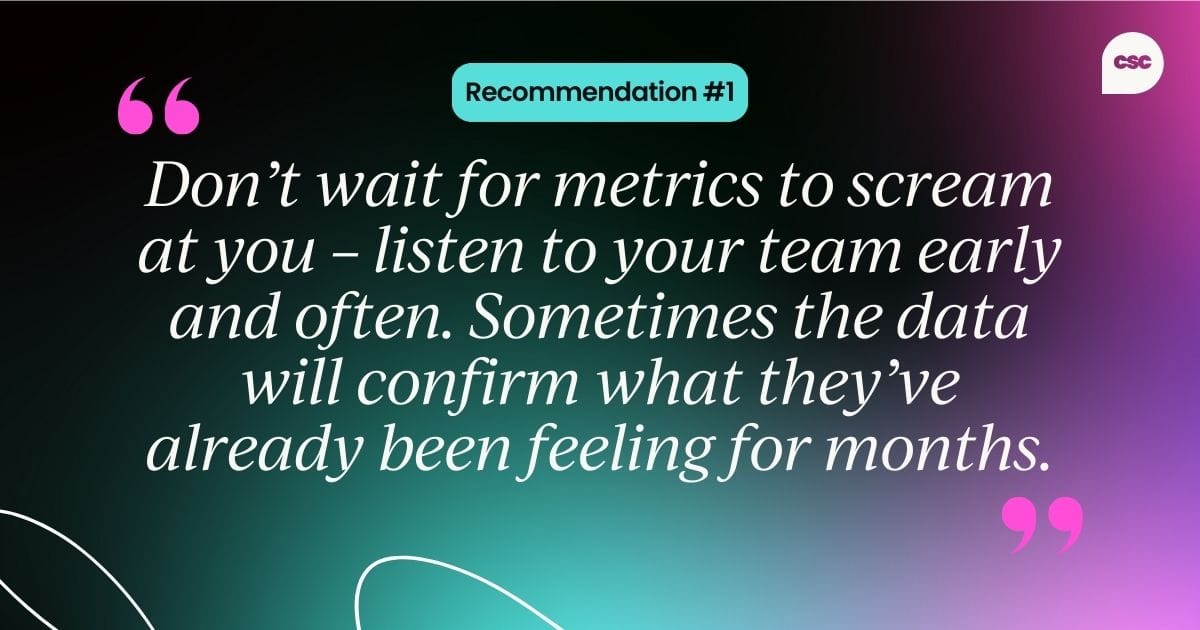
I’d been watching the metrics, but they didn’t tell the whole story. So, I asked my team: “What’s working for you? What’s not?”
The answers were simple but sobering:
- Too many hats.
- Not enough clarity.
- No room to breathe or recharge.
And here’s the thing: metrics can lag. Your dashboards might look fine long after your team has been struggling.
Why change feels messy – and why you push through anyway
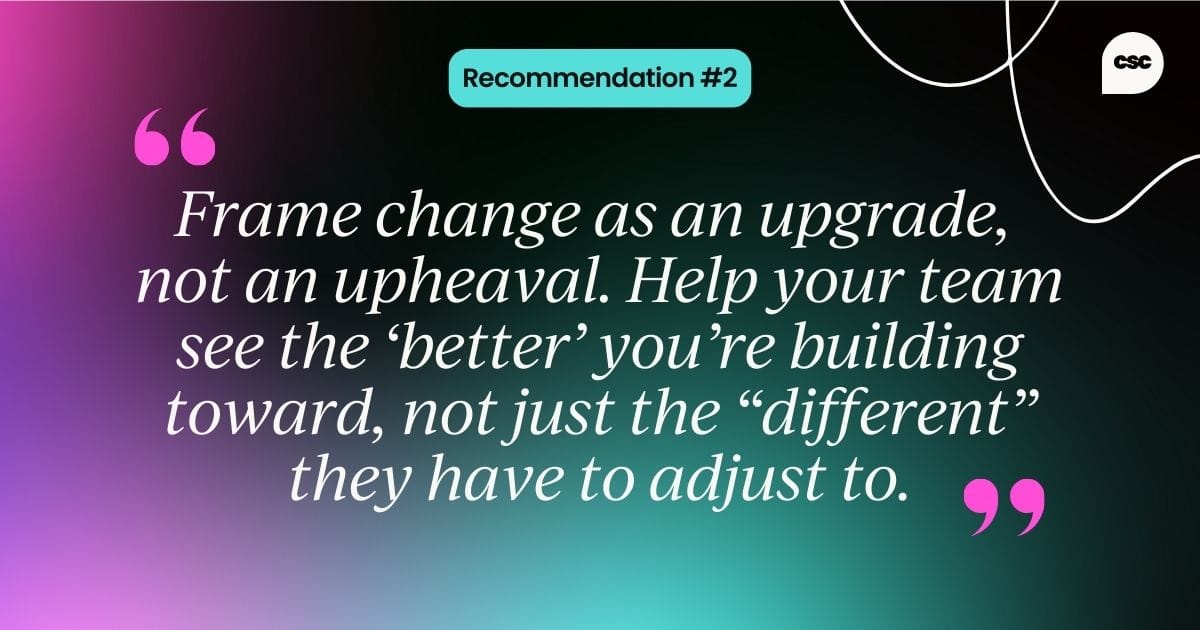
Let’s be honest: restructuring can be scary. It pokes at what’s familiar. Even if the old structure isn’t working, it’s at least predictable – and humans love predictable.
But when your company changes direction, launching new products, expanding into different markets, or merging with another organization, your team’s foundation must shift with it. Otherwise, you end up with a structure designed for a world that no longer exists.
I still remember one merger where our customer success teams collided. We had diverse backgrounds, different workflows, and wildly different definitions of “urgent.” The early days were… colorful. Picture two kitchens merging, each with its own chefs, recipes, and favorite tools – and now they’re expected to make a five-course meal together without a single argument? Not going to happen.
But as we navigated those first awkward weeks, something interesting happened. We started blending the best of both worlds. Processes from one team filled gaps in the other. Tools that one group swore by became game changers for everyone.
How to restructure without chaos
Some of my proudest restructuring wins came from specific, targeted moves. One time, we split the team by product lines. Generalists became specialists overnight, and the difference was immediate – customer issues were resolved faster, and the confidence in those conversations was obvious.
Another time, we organized by region. That meant our reps became experts in the unique needs of customers in their area. Clients in Europe appreciated that we understood their regulatory concerns. Clients in Asia valued that we could talk about market trends in their language – literally and figuratively.
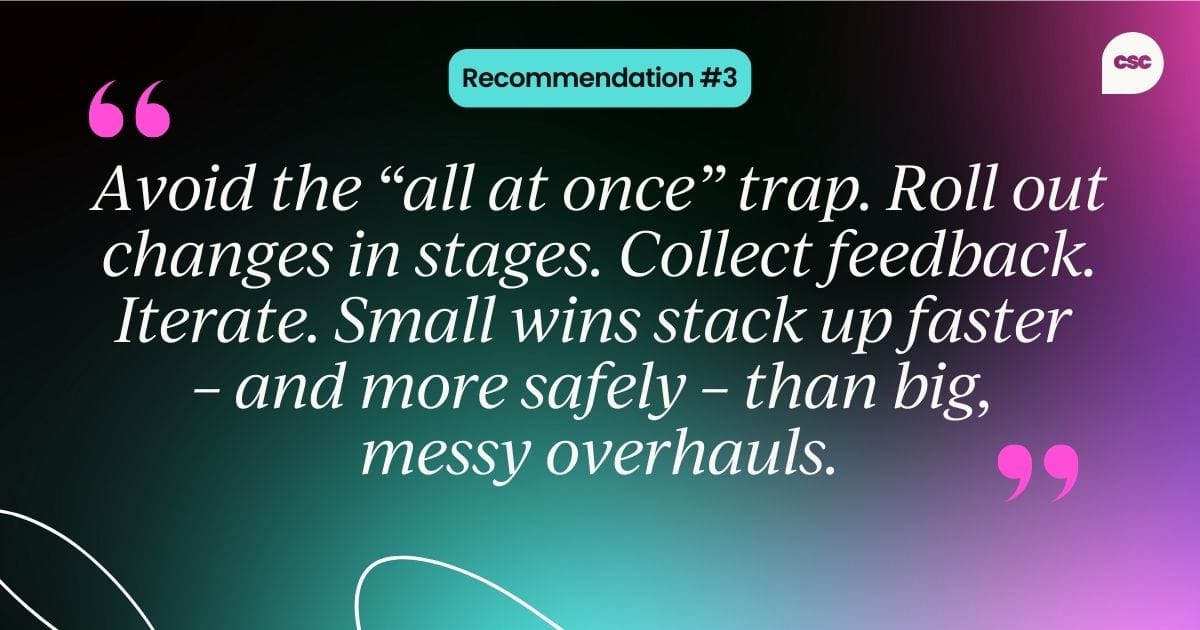
What didn’t I do? Try to flip the entire structure at once. That’s the equivalent of tearing down your house before you have the blueprints for the new one. Instead, we rolled out changes in phases, collected feedback, and refined as we went.
Communication: The leadership superpower
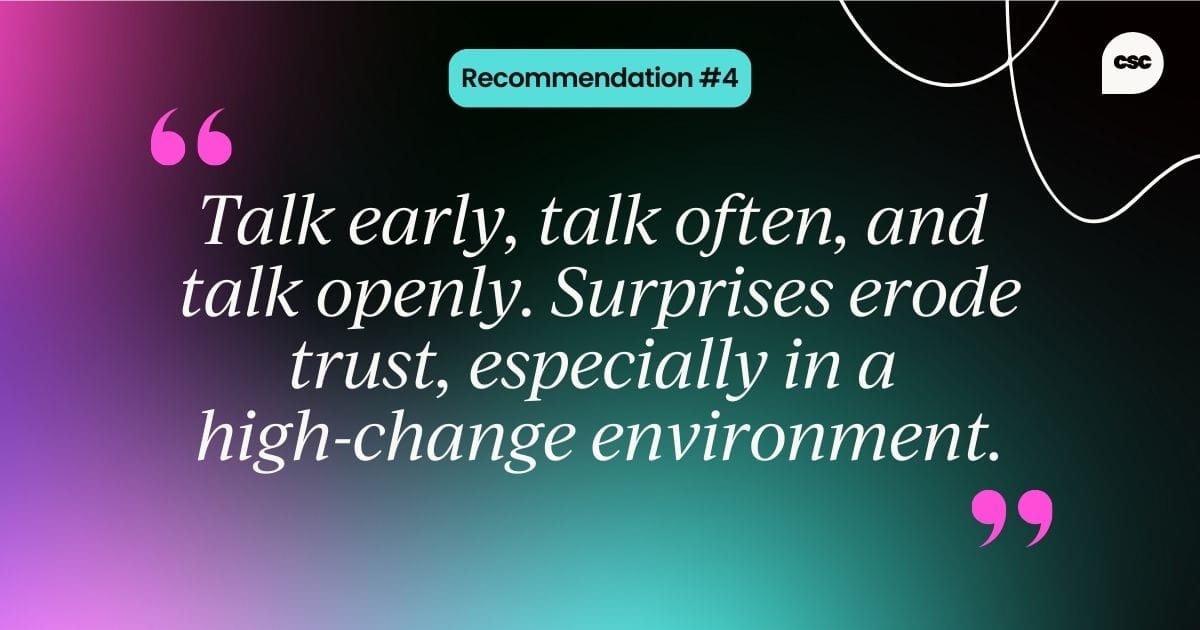
Every leadership book says communication is key – but during restructuring, it’s not just important, it’s oxygen. When people don’t know what’s happening, they fill the gaps with worst-case scenarios.
I made it a rule to be transparent about:
- What was changing?
- Why does it matter?
- How would it help both the team and our customers?
This wasn’t just about “announcing” the plan. It was about inviting conversation. I asked for input, welcomed tough questions, and even changed course when someone pointed out a better way.
And we didn’t keep customers in the dark either. We told them what was coming, reassured them about continued service, and invited feedback. Far from causing anxiety, it built trust because customers could see we were working to serve them better.
Measure, tweak, repeat
We measured everything: customer satisfaction, team morale, revenue trends, and yes, even the occasional grumble. But we didn’t treat measurement as a one-and-done task. We kept checking in, adjusting, and experimenting.
This constant refinement did two things:
- It made our changes more effective.
- It sent a clear signal to the team that their feedback mattered – and would be acted upon.
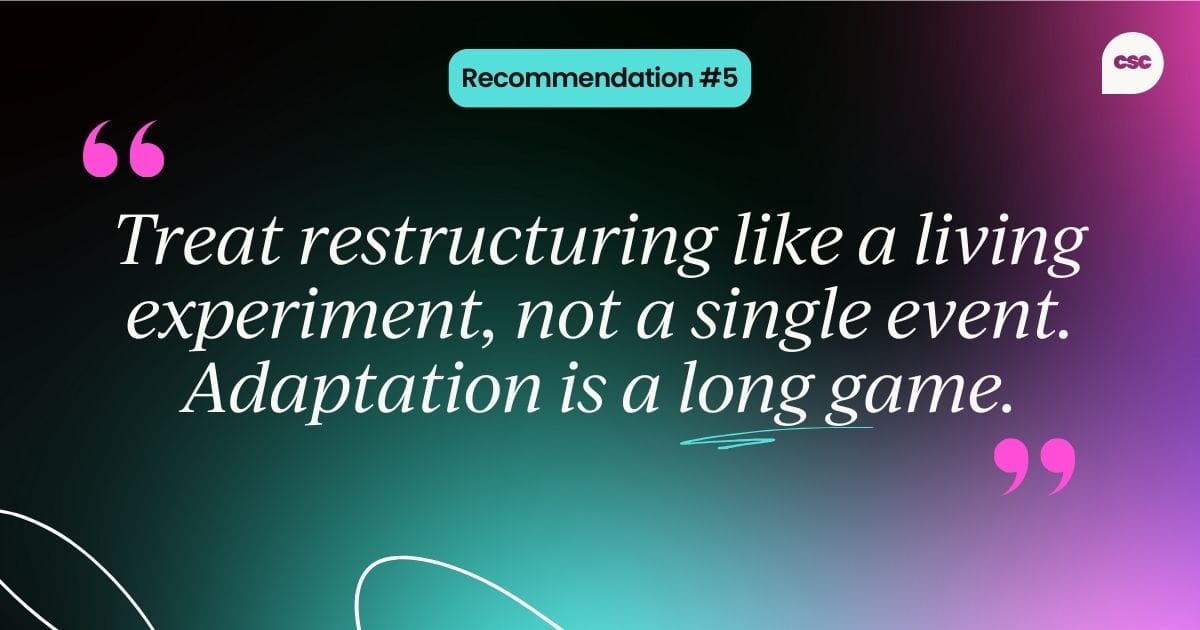
The simple truth about restructuring
It’s tempting to overcomplicate restructuring. I’ve done it – endless diagrams, multiple “workstream” meetings, fancy role definitions. But in the end, the best results came from keeping things simple: clear goals, open feedback channels, and a plan everyone could understand.
Resistance is inevitable. In fact, some of the best ideas I’ve ever implemented came from people who initially pushed back the hardest. They weren’t being difficult – they just saw the blind spots I’d missed.
Building a team that’s ready for anything
The market changes fast. Technology changes faster. Customer expectations change fastest of all. That’s why I make it a priority to:
- Stay plugged into industry trends.
- Experiment with new tools.
- Ask customers regularly what they value most.
The teams that thrive in unpredictable times aren’t just “well-structured.” They’re flexible enough to adapt without losing their core strengths.
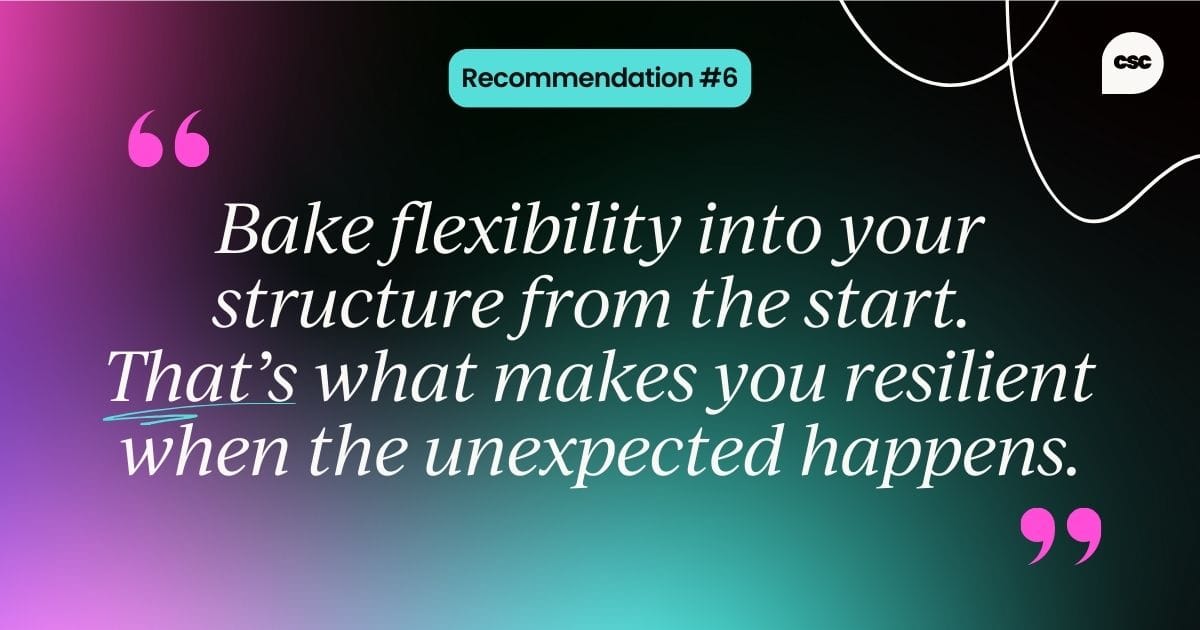
Lessons, laughs, and leadership
Restructuring isn’t just a leadership exercise – it’s a human one. It’s about balancing the needs of the business with the needs of the people who make the business possible.
Yes, there will be tense moments. There might even be a few laughs – like the time we realized two team members had been unknowingly answering the same customer emails for weeks because of a process mix-up. We fixed the process, but we also learned to see the humor in the chaos.
And that’s the point: leadership in times of change is equal parts strategy and humanity. When you show you care, communicate openly, and keep adapting, you don’t just restructure a team – you strengthen it.
So, here’s my question to you:
If your team’s structure was designed three, five, or even ten years ago… is it still serving your customers – or just serving your org chart?
I’d love to hear your own restructuring stories, the wins, the near-misses, and the lessons you’d pass along. Because every change, done right, is a chance to build something better.
Have we piqued your interest in customer success leadership?
If our exploration of customer success leadership has stirred a desire to take your expertise to the next level, we have the perfect opportunity.
Enroll in our Customer Success Leadership program and become a champion of driving customer success while propelling business growth.
What to expect from this game-changing course:
🧠 Continuous, actionable leadership insights from industry pioneers
🔧 Practical leadership strategies and tactics to implement
📚 Hands-on activities and real-world case studies
💡 An endless stream of fresh ideas and diverse perspectives
🔥 Transform your leadership style
🧱 Build a strong personal brand with guidance


Become a CSC Insider
Thank you for subscribing
Get exclusive insights, frameworks, and strategies from customer success leaders driving real business impact.
An email has been successfully sent to confirm your subscription.
 Follow us on LinkedIn