









The first time I was involved with setting up a formal mentorship program, I distinctly remember the excitement of everyone involved. It was for an industry association, and I was part of the board setting it up.
We surveyed our entire membership – they all wanted mentors or were equally happy to support as mentors themselves. There was supply and demand.
We put together the program and the process. A charter, a timeline, intake, matching, all of it. We promoted it across the organization and our networks.
And then… it flopped. No one actually signed up! We got crickets.
After a rocky start, the program gained traction, but it took several years and several iterations to get it to the place it’s at today. We really had to flip the whole idea on its head.
A lot of times, that perfect 1:1 mentorship program sounds amazing, but in reality? It’s not always so perfect for anyone involved. Too much pressure, too many expectations, not enough clarity and alignment.
Or alternatively, a “formal” program can just be too much structure that no one has time or energy to follow. Sound familiar? Maybe a little like a really great product that should definitely be sticky – and yet, doesn’t see adoption. Even the most well-defined ICP, the most well-designed onboarding program, can fail to deliver if expectations aren’t aligned and it doesn’t connect with customers.
It’s the same with mentorship. The good news is that it’s an opportunity.
Just like realigning expectations with a customer, you can realign how you’re thinking about mentorship in a way that will benefit you so much more personally and professionally. Rather than searching for your One Perfect Mentor, build yourself a sustainable mentorship ecosystem.
A sustainable mentorship ecosystem
In the same way, most careers aren’t narrow or perfect or a straight line, mentorship doesn’t work that way either. For most of us, support comes from different places at different times. It might be a manager, a former boss, a peer, a friend in another company, someone who advocates for you, or a community like Customer Success Collective.
Right now, for instance, I’ve got a fantastic 1:1 mentor at the CCO level – somewhere I see myself longer term in my career. I’ve got another wonderful 1:1 mentor who’s a former boss. I have a brilliant relationship with a 1:1 mentee, who was a match through The Alliance mentorship program. I’m actively involved in the CSC community, as well as a local community of women in SaaS. I have a handful of peers I can go to for support or advice. An entire mentorship ecosystem.
In order to get the most meaningful benefit from mentorship, you have to think more broadly about what your mentorship ecosystem looks like and what it takes to build that support in a way that can grow with you.
A meaningful mentorship ecosystem will include several components:
1. A 1:1 mentor who’s either in, or has previously achieved, the career goal or stage you’re aiming for
Why it matters: You don’t know what you don’t know. Learning from someone who’s been there before will help you fill in the gaps and accelerate your process.
2. Peer mentorship in both directions
Why it matters: The industry is moving and changing quickly and perspective is everything. It’s easy to operate in a bubble, but learning and sharing best practices and the “what’s working” and “what’s really not working” across departments, companies, industries, and roles makes us all better and stronger.
3. A community
Why it matters: In another life, I was a personal trainer, and I’ve always loved Arnold Schwarzenegger – in particular, his emphasis that he’s not a self-made man, but rather, had a lot of help, leaned on community, and also gave back consistently. The same applies for us in CS - our entire industry is built on relationships driving success, both for our companies and our customers. Doing that in a community context, whether online or in person, makes for a much richer mentorship experience.
4. A mentee
Why it matters: Taking on a mentee is an incredibly meaningful experience in itself, one that generally results in learning and development on both sides of the relationship.
But what a gift to have gained the valuable experience in your career that you can share with others to enhance theirs. Don’t pass up the opportunity to make a difference.
Of course, you may not have all of these elements going at all times. They’ll evolve, shift and change throughout your career stages. But in general, a range of relationships and interactions is going to be the most impactful, especially over time.
So, how do you build it? Start by taking stock of what you have going for you in your mentorship ecosystem today.
Where does support already exist?
A lot of us are quick to think about what we don’t have, especially when it comes to mentorship. But often, there’s already support in our lives that we may not have labeled that way.
Where does support already show up, even if you've never called it mentorship? Who do you go to when you are stuck? Who gives you honest feedback? Who helps you think bigger or see new possibilities? Who helps you feel less alone in your career?
Have you had "mentor moments" without a formal mentor? When, where, with whom have those happened?
Have peers, former managers, or communities played an important role in your development? Name the people and the moments.
You’re probably going to discover a lot that didn’t feel like it “counted” as mentorship, but has been impactful for your career. And when you really look at what you’ve already cultivated in your relationships, it’s likely you’ll find you have a pretty solid mentorship base.
But of course, you may also find some gaps, so take stock of those too.
Where are the gaps?
The point here is not to get down about it. It’s just to notice the places where your career support system might need a little more structure, depth, or resilience.
- Where does your support system feel thin right now?
- Are you relying too heavily on one person? Do you have support inside your company, but not outside it? Vice versa?
- Do you have mentors, but no real sponsors or advocates?
- Do you have advice, but not community?
- Are you mentoring others while getting very little support yourself?
- What kind of support do you wish felt easier to access?
This isn’t just about a person, a group, or a program. This is about thinking through what support levers would make your career or development feel more holistic, more sustainable over time.
Then, put it together and make a plan.
What do you want to build next?
Or, you can look at it as what seeds you want to plant next, since this is an ecosystem you want to grow and thrive. So walk through:
- Do I want to find a mentor for a specific skill or challenge?
- Do I want to strengthen an existing mentorship relationship?
- Do I need more peer support or community?
- Do I need more visibility, advocacy, or sponsorship?
- Do I want to be more intentional about mentoring others?
- What would make the biggest difference over the next 3–6 months?
Take it all and make it practical:
- What is one realistic next step?
- Who could you reach out to today?
- What kind of ask would feel manageable?
Back to what it looks like inside: I’m finding that I don’t have great mentorship within my company. Sure, there are parts of that that are out of my control, but there are also some small steps I can take to cultivate that part of my mentorship ecosystem – like setting a separate monthly development meeting with my boss.
I’d also like to do more active mentoring myself, which I can fairly easily do by word of mouth, sharing in my communities, or a quick post on LinkedIn.
 BJ Shannon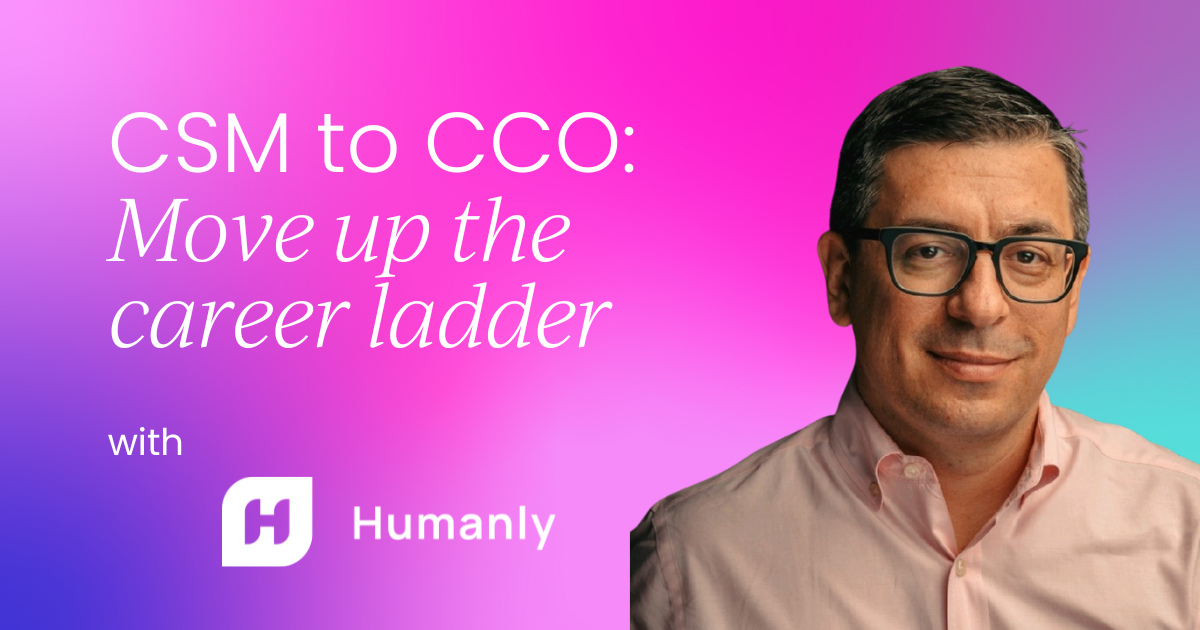
Your mentorship ecosystem
The point is, support tends to be much more layered, evolving, and human than the very formal version of mentorship we sometimes picture.
Don’t be discouraged if that one program or one mentor or mentee doesn’t work out. And don’t feel like that’s your only avenue to building a great mentorship ecosystem.
Talk to your friends – both inside and outside of your role and industry. There’s so much knowledge and perspective out there that we can benefit from for our growth. Volunteer to coach the new hire.
Show up to your next SKIP-level meeting with a proposal and a framework for a quarterly development meeting. Go to that networking event you keep signing up for and then deciding at the last minute not to attend. Or be the one who creates the space.
Work is hard right now. The world is hard right now. You’re never going to regret building relationships that help you and others see that we’re not alone in it.
Start thinking of mentorship as an ecosystem, plant a seed, and go thrive.
Ready to grow your mentorship ecosystem?
Whether you're looking to learn from someone who's been there, share what you've built, or simply take one meaningful step toward a stronger support system, the CSC Mentorship Program is a great place to start.


Become a CSC Insider
Thank you for subscribing
Get exclusive insights, frameworks, and strategies from customer success leaders driving real business impact.
An email has been successfully sent to confirm your subscription.
 Follow us on LinkedIn



Start the conversation
Become a member of Product Marketing Alliance to start commenting.
Sign up now