





Scaling customer engagement across hundreds of accounts has been one of the most demanding yet fulfilling aspects of my work.
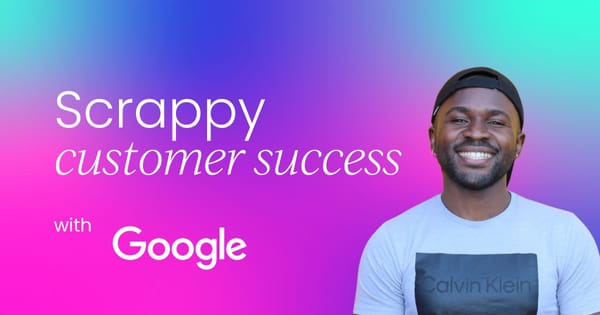
I lead our scaled customer success efforts for Chrome Enterprise – focused on helping customers adopt Chromebooks and manage them effectively using our software.
One question I often get is: Why is someone from Google talking about being scrappy? After all, Google is one of the largest companies in the world, and “scrappy” isn’t necessarily the first word that comes to mind.
I get it. Many of you reading this have been operating scrappily for years, often out of sheer necessity. But over the past two years, I’ve had to get creative with limited resources, and it’s taught me a lot about how scrappiness can yield surprising results.
What’s more, I’ve learned that the principles of scrappiness shouldn’t be abandoned, even when you have access to greater resources. Sometimes, thinking of yourself as a big corporation – or leaning too heavily on the resources that come with that – can actually slow you down.
In fact, embracing scrappy thinking can accelerate progress and open new opportunities.
If you’re after polished stories and tactics about flawless execution or guaranteed success, then I'm sorry this article isn’t for you.
But what these authentic stories show is the payoff you get from scrappy, resourceful strategies is attainable to everyone. Hopefully, you’ll find some inspiration in them for your own work.
Let’s dive in.
What does it mean to be scrappy?
Before diving into my experiences, I think it’s important to define what being “scrappy” actually means.
Everyone seems to have their own take on it, so I turned to a classic source: Dictionary.com. According to them, “being scrappy” means “having or showing spirit and determination, especially in spite of obstacles.”
This definition is a great starting point, but there’s another definition I like even more, one I came across in a book by Kimberly Wiefling, Scrappy Women in Business (2010).
The book includes a variety of takes on what it means to be scrappy, but the one that resonates with me the most is this: “EDGY!... and is your edge in achieving outrageous results even when they seem impossible.” That sense of possibility, even when the odds are stacked against you, feels central to my own experiences.
Why did some results feel impossible in my context? I’ll get to that shortly. But first, let’s unpack how this spirit of scrappiness can lead to outcomes that defy expectations.
Setting the stage: The obstacles we face
At the Customer Success Festival in Chicago, I asked the room of professionals: “What corporate device are you using?” A show of hands revealed that the majority of the audience use Windows devices, followed closely by MacBooks.
And then I asked: “Who here is using a Chromebook?” Maybe one hand went up; two at the most. That’s the challenge right there.

When you’re championing a challenger product in a space dominated by well-loved, established options, getting people to adopt your offering is an uphill battle. It’s not that people dislike Chromebooks – they just love what they already have.
Convincing them to try something different requires overcoming significant inertia. That’s obstacle number one.
Next, I asked: “Who here manages or is responsible for at least 50 customers?” Hands went up. Then I ask about 100, 500, and even 1,000 customers. The higher the number, the fewer hands remained raised. For most, managing fewer customers was the norm.
Now, let’s go back two years. I accepted a role with the mandate to engage and improve the experience for core enterprise-scale customers. My task was to identify challenges, determine opportunities for improvement, and build a small team – maybe three or more people – to execute this vision.
But shortly after starting, the landscape shifted. Like many companies at the time, ours froze hiring and halted additional resource allocation. Instead of building a small team, I found myself in a one-person team responsible for supporting 800 customers.
And these weren’t just any customers – they were enterprise-scale businesses, tasked with adopting Chromebooks, a product we just established as notoriously difficult to get people excited about.
This was the moment when scrappiness became essential. How could I get 800 different customers not only to adopt but to feel genuinely enthusiastic about something that, in a room full of professionals, no one else was adopting? This challenge was where my journey into scrappy solutions began.
Reassessing the engagement model
When I first started tackling this challenge, my initial step was to evaluate how we were engaging with customers. What was our current approach? What were we doing to ensure these customers were happy and getting value from our product?
Here’s what I found: our default engagement model was, frankly, transactional at best.
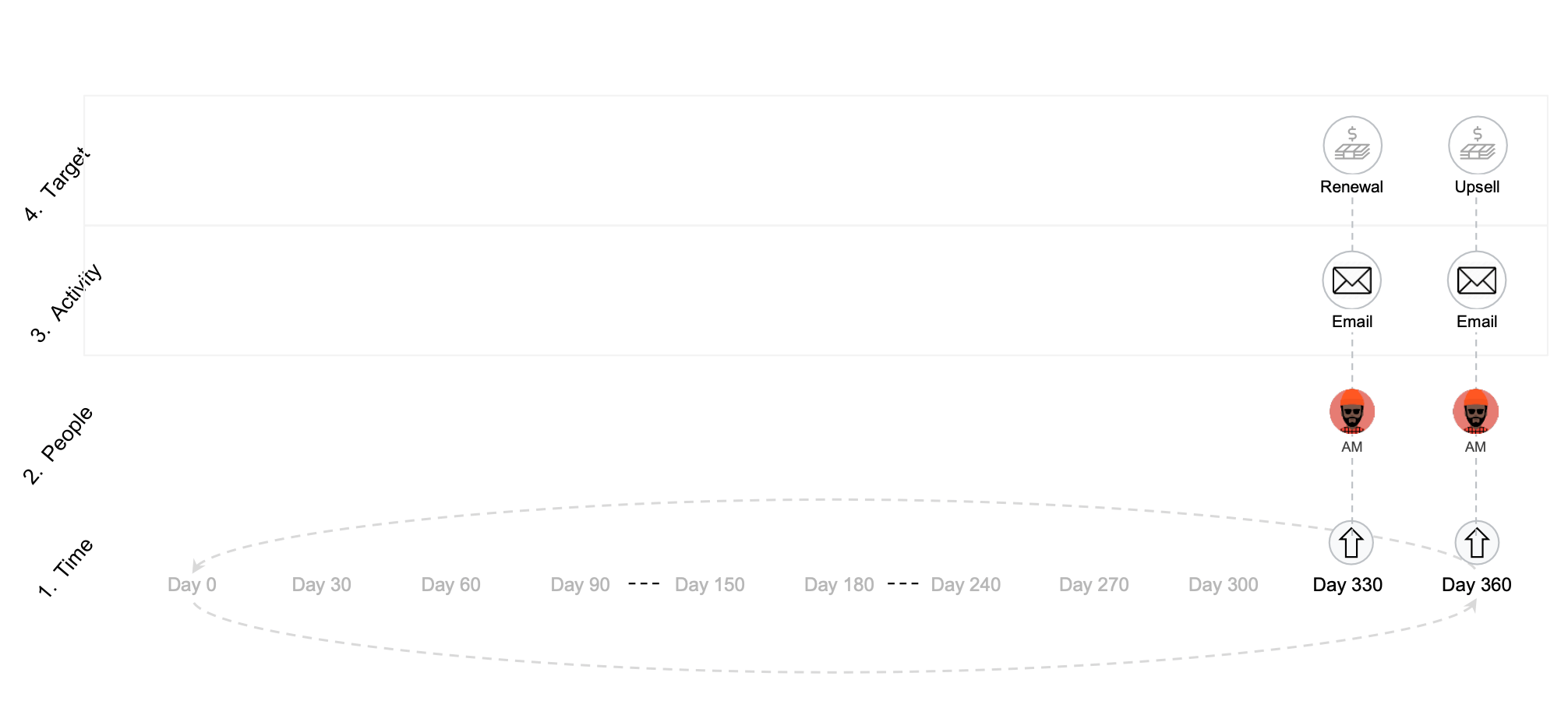
Over a year’s time, we had little to no proactive interaction with customers. Then, about a month before their renewal date, we’d suddenly reach out with an email that essentially said, “Hey, are you going to renew? Oh, and by the way, are you planning to buy more?”
This approach had some glaring issues. For starters, we hadn’t spoken to these customers for nearly a year. No check-ins, no conversations – just a template email sent right before renewal. It wasn’t even a passive renewal process; these customers had to actively choose to renew. Yet we were doing the bare minimum to stay on their radar.
When I looked at this model, my first instinct was to test my assumptions. Was it possible that customers preferred this hands-off approach? Maybe they liked being self-serve and didn’t want to hear from us. So, I reached out to customers to get their feedback.
What I discovered was even more revealing: most of my emails went straight to the trash. I got no response.
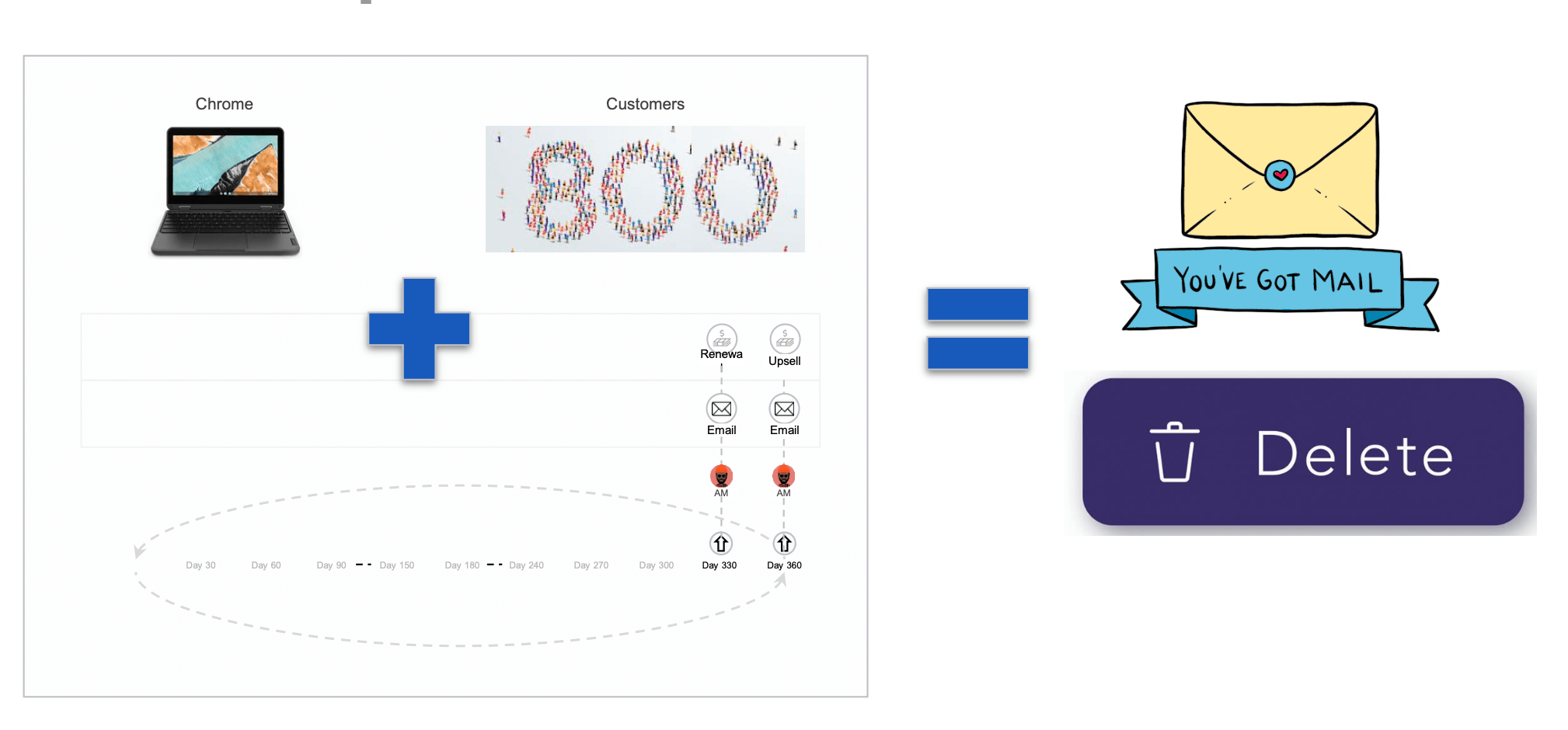
The few customers who did engage with me had one thing in common – they assumed my outreach was just another attempt to get more money from them. And honestly, why wouldn’t they think that? Our previous engagement had always been about renewal or upselling.
This created a massive challenge. How could I support customers who wouldn’t even respond to me? And when you’re responsible for 800 customers who view you as just another transactional email in their inbox, the obstacles start to feel insurmountable.
It was clear that something had to change. This engagement model wasn’t working, and it was up to me to come up with a better approach.
Building trust through newsletters
Faced with the challenge of engaging 800 customers who had minimal interaction with us throughout the year, I knew we had to make a change.
One thing was clear: we needed to communicate with customers more regularly – not just right before renewal.
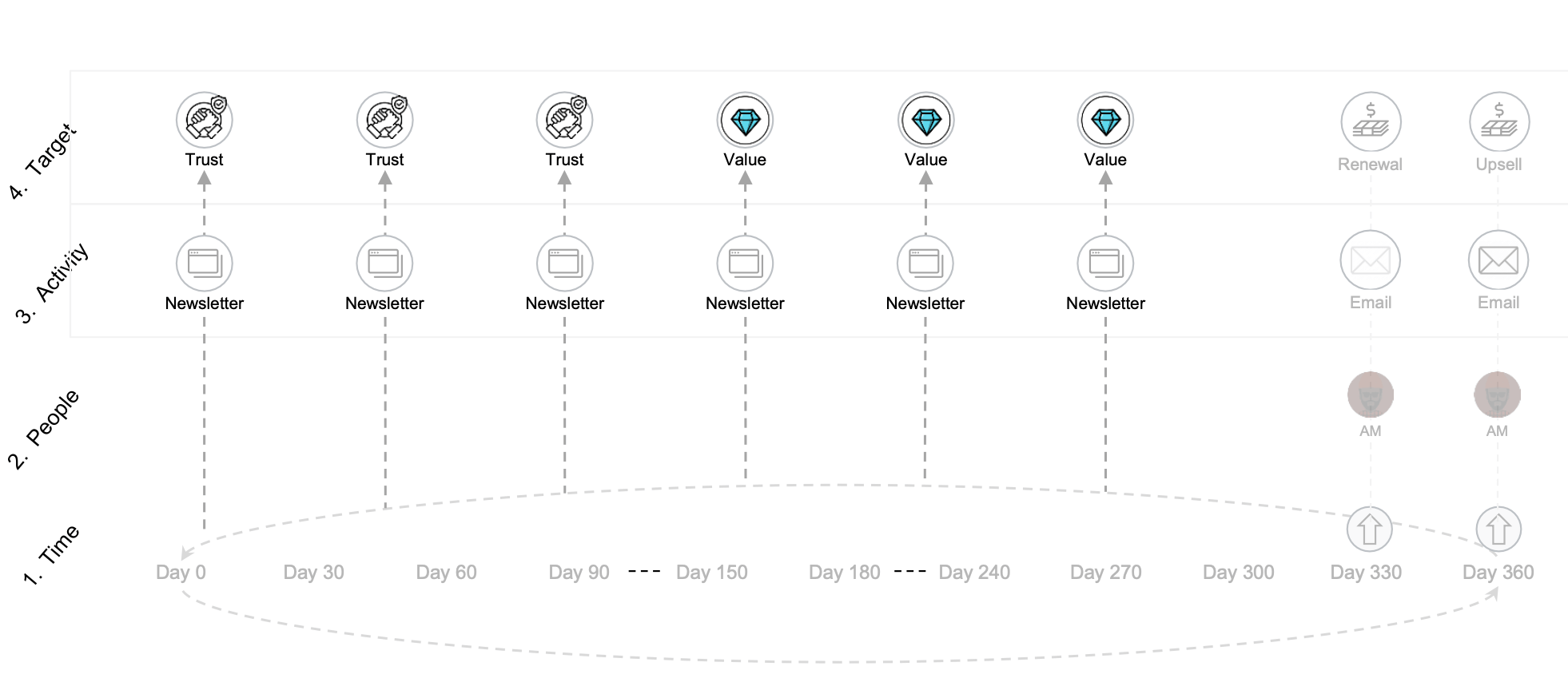
The idea: Newsletters
My first thought was to create newsletters that would go out on a regular basis. These newsletters would provide customers with useful information, helping to build trust over time.
The hope was that customers would begin to see value in these communications and eventually engage with them.
Excited by this idea, I prepared a detailed proposal and pitched it to our marketing team. I explained what was wrong with our current engagement model, outlined the benefits of regular newsletters, and presented a plan for execution.
The response? No. Politely, of course, but a firm no nonetheless. Marketing simply didn’t have the resources to support the initiative.
Doing it myself
Here’s where scrappiness comes in. If you get a “no” and still believe in the idea, you figure out how to do it yourself. I’d never created a newsletter before, so I started researching. What tools were available? What content should it include? How should it be formatted and sent?
Working at a large company adds another layer of complexity. Many tools were off-limits due to internal policies, leaving me with limited options.
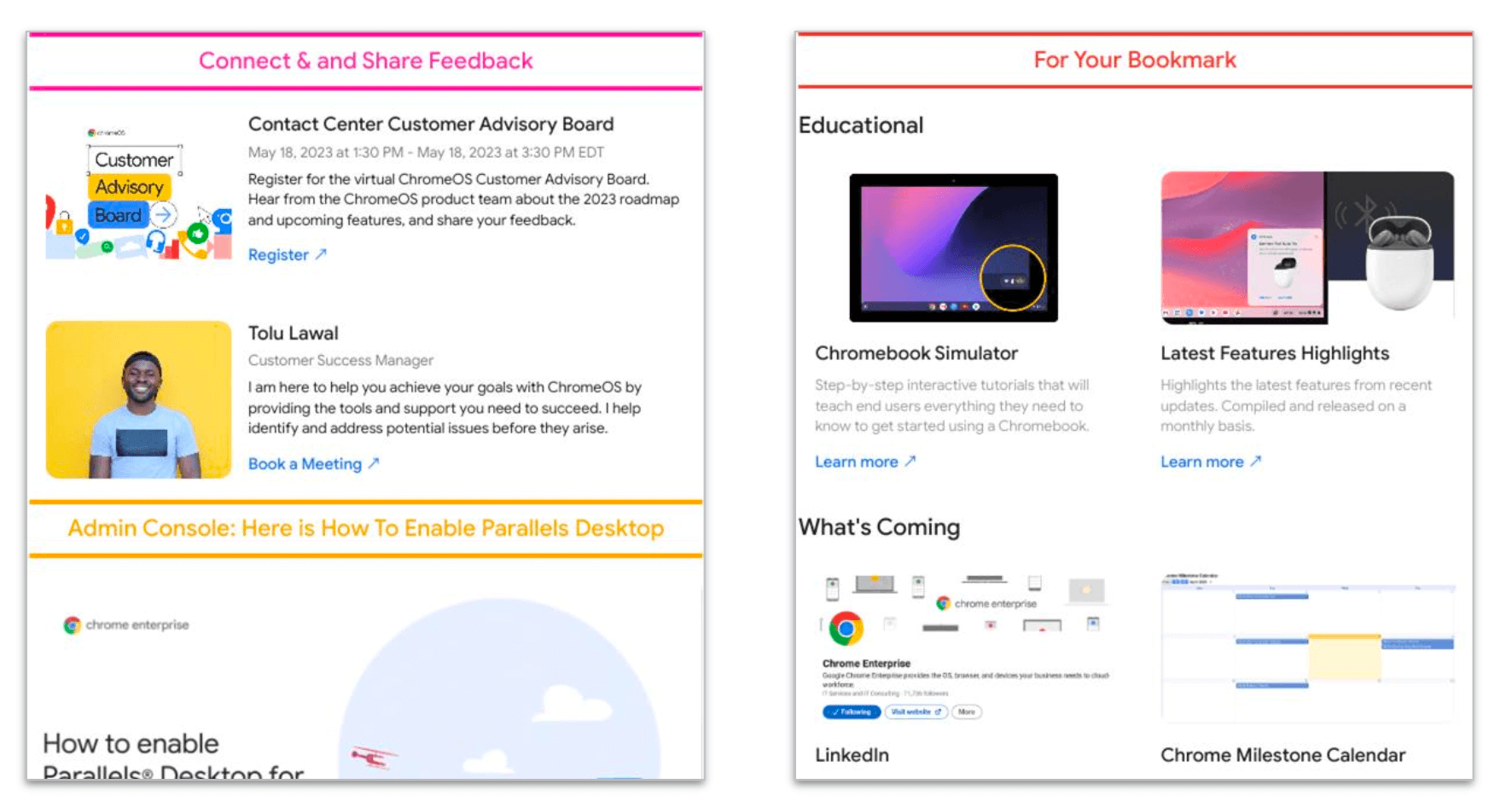
Eventually, I found an internal tool that was...basic, to say the least. It consisted of little more than a series of boxes for content layout. It wasn’t visually appealing, but I saw the potential to improve it.
Learning new skills
To enhance the newsletters, I decided to learn HTML and CSS. My first attempt didn’t stick, so I took a second class, this time at the public library (to avoid the embarrassment of struggling in front of coworkers). Slowly, I started to grasp the basics.
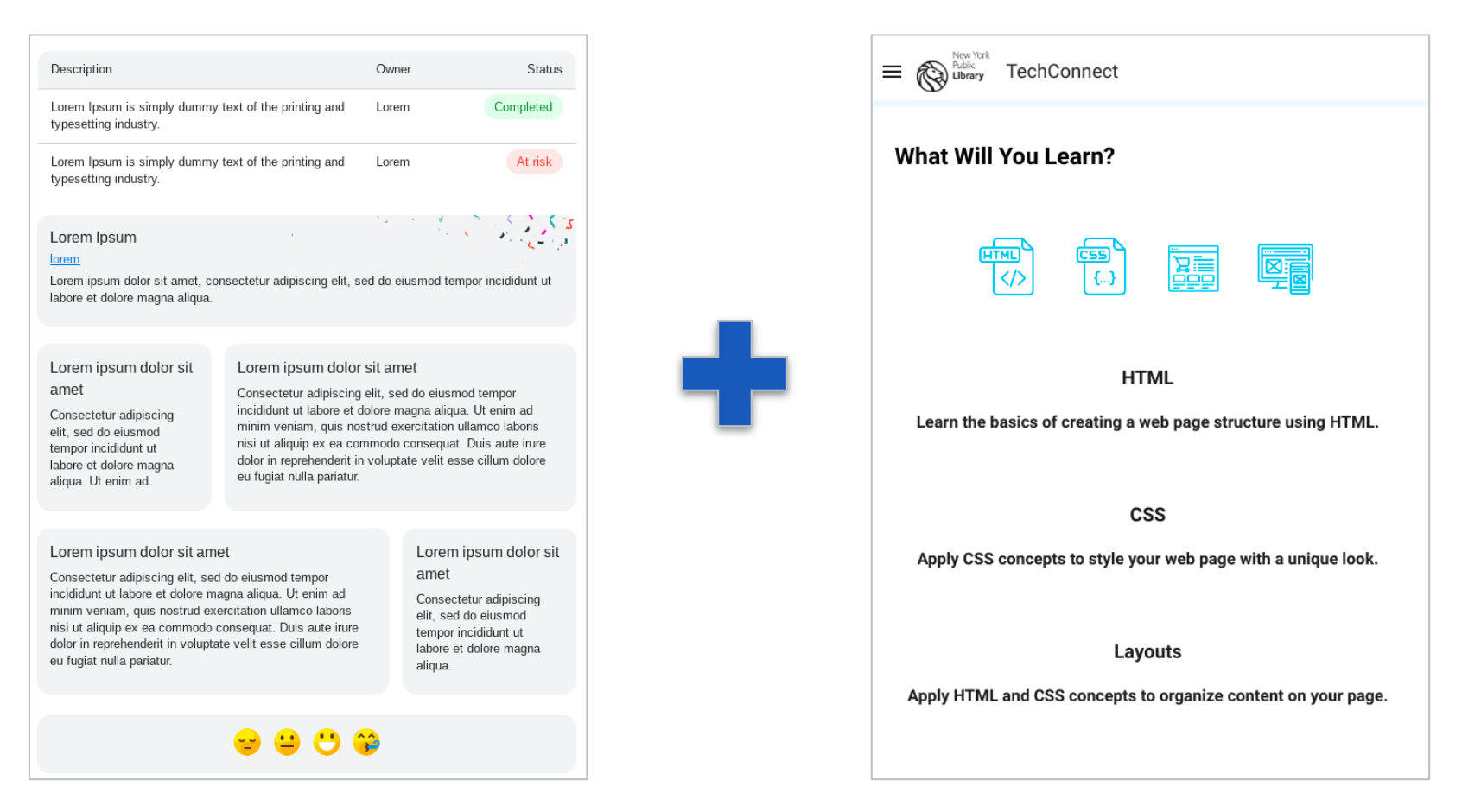
With practice, I managed to create newsletters that looked more polished and professional. They weren’t perfect, and the content wasn’t always spot-on, but I kept iterating. Each new version was informed by customer feedback and response rates.
Results
Over time, customers began engaging. Some replied directly to the newsletters, while others became more responsive to follow-up emails or calls. I included my photo in the newsletters, adding a personal touch to show them I was a real person who genuinely wanted to help.
Gradually, the newsletters opened up more conversations and improved customer engagement. It wasn’t an overnight success, but it was a step in the right direction.
The effort showed me how even small, scrappy initiatives can make a big difference in building trust and fostering stronger relationships with customers.
Segmenting and scaling engagement efforts
Let’s revisit the core challenge: 800 customers, each with varying levels of engagement, and the need to encourage the adoption of a product that isn’t top of mind for most of them.
The question became: How do we prioritize outreach and engage customers in a way that feels meaningful – at scale?
Breaking it down by customer health
I began by segmenting customers into groups based on internal metrics we call “health scores.” Some customers were in the “green” category, meaning they were doing well. Others were “yellow,” indicating some concerns, while the “red” customers required immediate attention.
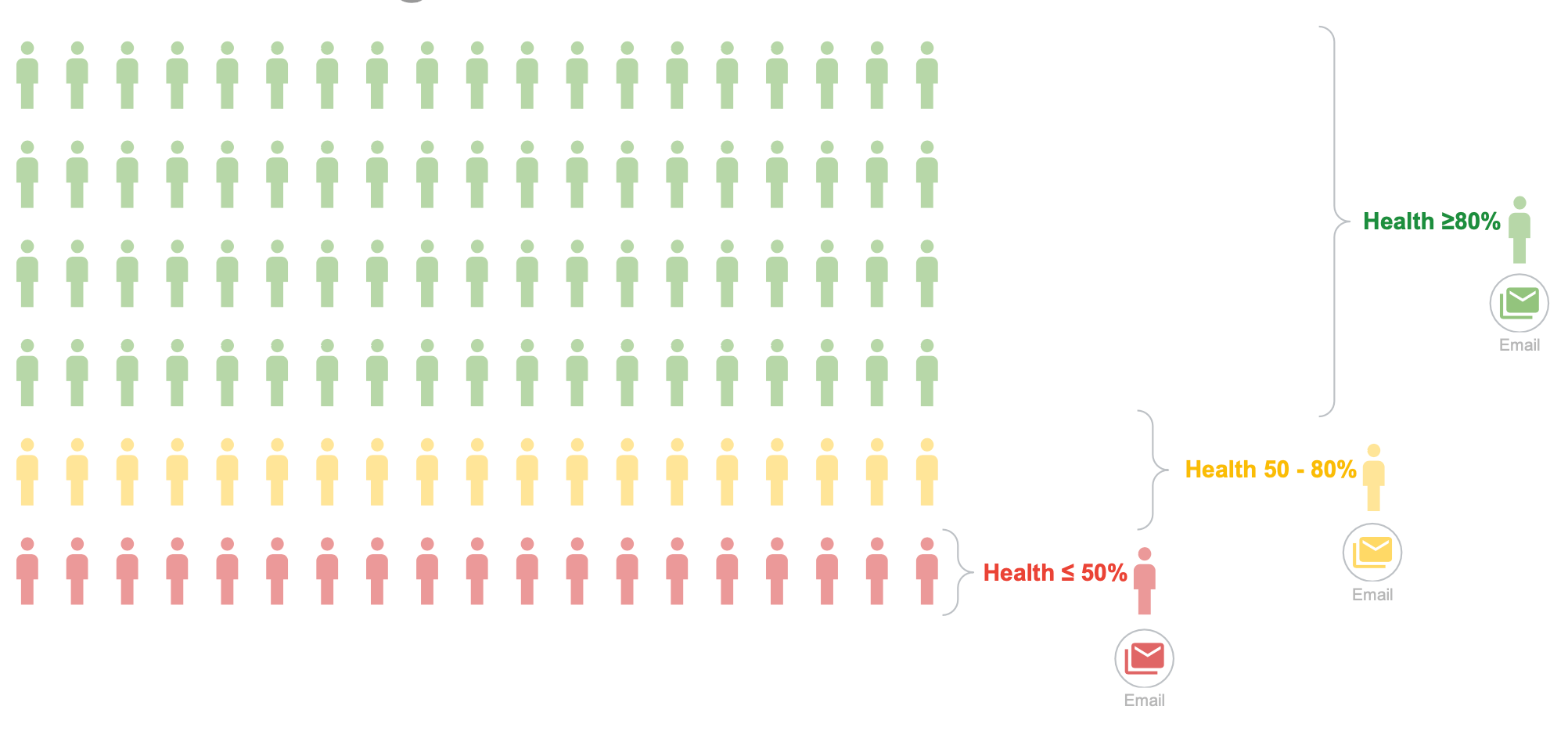
The goal was to create different cadences for each group, with tailored outreach to drive specific actions.
However, executing this kind of segmentation at scale presented its own challenges. Sending personalized emails and tracking outcomes across 800 customers would be cumbersome without the right tools.
My first thought was to leverage SalesLoft – a robust platform for managing email cadences. Confident in this approach, I put together a detailed proposal for our sales operations team.
Once again, the answer was a polite but firm no. Resources simply weren’t available.
Embracing scrappiness: The DIY CRM
Faced with another roadblock, I turned to a familiar solution: Do it yourself. The question became, How do I send segmented, personalized emails to 800 customers at scale without specialized tools?
The answer: good old mail merge. For those unfamiliar, mail merge allows you to send emails at scale directly from a spreadsheet, making it feel like you’re sending individual messages. It’s straightforward, but not without its challenges – especially when dealing with the level of complexity I needed.
While exploring mail merge, I discovered another tool available within Google Workspace: Apps Script. Apps Script allows for powerful automations by connecting Google Sheets, Calendar, Docs, and more. However, using it required knowledge of JavaScript – or, in this case, a Google-specific version of JavaScript.
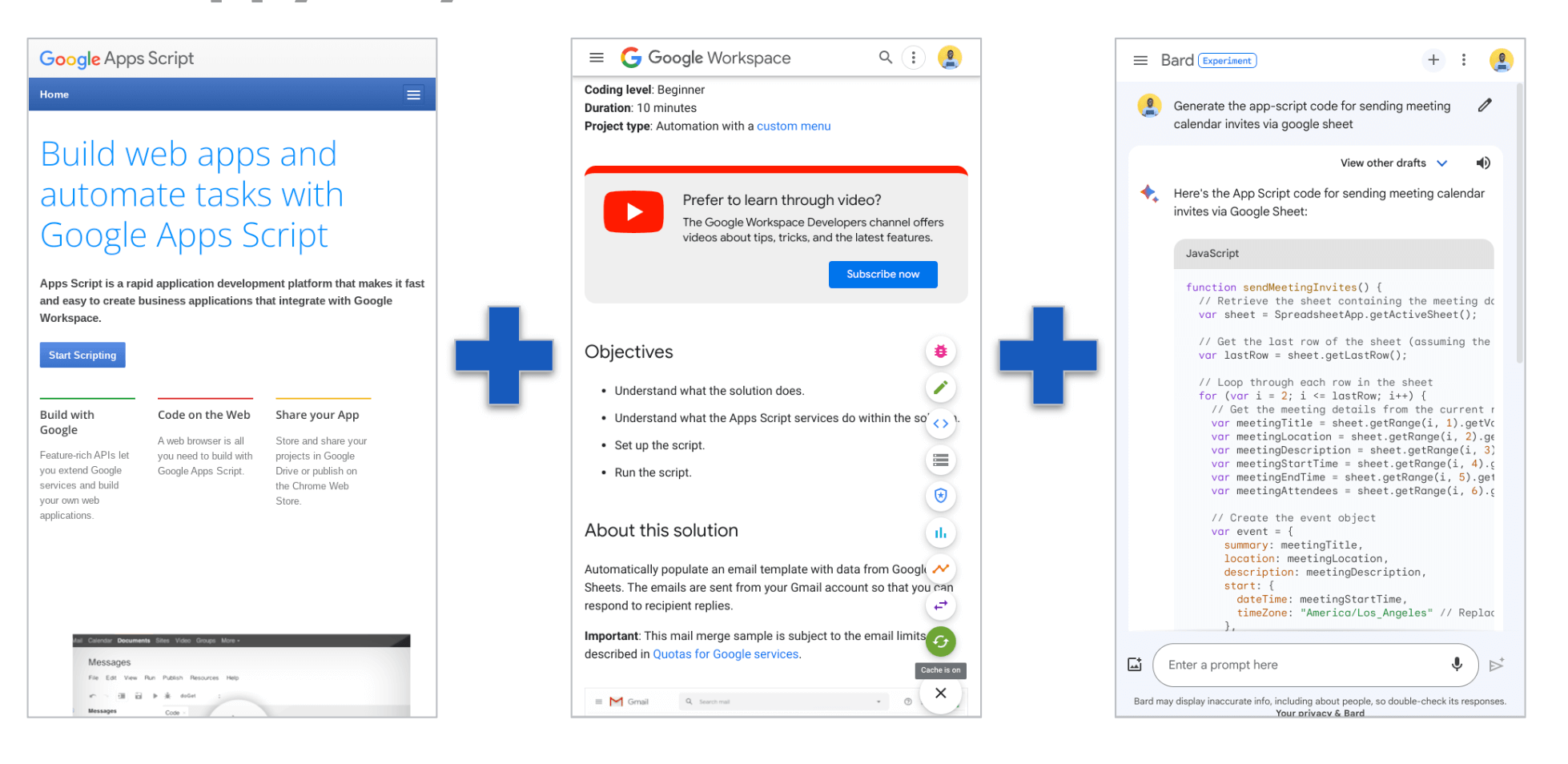
At this point, I had no interest in taking another class. Instead, I decided to get creative. I turned to AI tools like Bard and ChatGPT to generate the foundational JavaScript code I needed. By asking specific questions like, “What’s the code for sending segmented emails from a Google Sheet?” I was able to copy, paste, and adapt the code to my needs.
Automating engagement at scale
With Apps Script, I built a lightweight CRM system using Google Sheets. It allowed me to:
- Send personalized, segmented emails to customers.
- Automate calendar invites for meetings.
- Share and collect feedback forms – all from the same sheet.
While this solution wasn’t as sophisticated as a dedicated CRM platform, it worked. Over time, this DIY system enabled me to track customer engagement and communicate more effectively, even at scale.
This approach wasn’t perfect, and I wouldn’t necessarily recommend it as a long-term solution. But in situations where resources are scarce, sometimes you have to get scrappy and make the best of the tools at your disposal.
And the best part? This scrappy approach started to pay off. Customers were engaging more, and I finally felt like I was making progress.
Results and reflections on scrappiness
Armed with my lightweight CRM and tailored email cadences, I began reaching out to customers. Over time, I started receiving replies, setting up calls, and having real conversations.
These discussions gave me invaluable insights into key questions:
- Why did customers decide to try Chromebooks in the first place?
- What challenges were they facing?
- Why might they choose to renew – or not renew?
- How could we better serve their needs?
Over three quarters, I managed to connect with about 150 customers through over 200 video meetings – not just email exchanges. These meetings with decision-makers helped me understand their pain points, successes, and opportunities.
Beyond improving renewal rates, I identified 82 upsell opportunities, 50 of which have already closed, with more expected by the end of the year.
By engaging customers at scale, I wasn’t just driving renewals and upsells – I was helping them derive more value from our tools and services. And that, at the end of the day, is the goal: enabling customers to succeed.
Lessons learned about being scrappy
I share all this not because I think scrappiness is always the answer, but because it’s an approach that can be useful in the face of obstacles. Resource constraints, insufficient tools, or limited bandwidth can leave you feeling stuck.
But by looking inward – getting creative with the resources and tools you do have – and being willing to learn new skills, you can often achieve results you didn’t think were possible.
That said, not everything I tried worked perfectly. Some scrappy solutions fell flat, and I quickly realized that in those cases, additional resources were absolutely necessary.
It’s not about scrappiness being a replacement for proper tools and support – it’s about finding the balance and knowing when and how to adapt.
For me, this journey reinforced the importance of flexibility, creativity, and a willingness to step outside my comfort zone. Learning new skills – whether it was HTML, CSS, or Apps Script – helped me serve customers better and ultimately achieve the outcomes I set out to deliver.
Being scrappy isn’t always easy, and it’s not always the ideal path. But when faced with limited options, it can make all the difference in moving the needle and driving success.
 Grace Gupta
Itching for more?
This article is based on Tolu's presentation at Customer Success Festival Chicago back in 2023.
If you enjoyed Tolu's honest account of scaling customer success, you're in for a treat. Why?
Because this kind of authenticity is what Customer Success Summits are all about. Customer success enthusiasts meeting to share insights, network and make an impact on the customer success field.
Sound like something you'd be interested in? Take a look at our event calendar to find out where the Customer Success Summit tour bus is heading.
This article is based on a presentation given by Tolu at Customer Success Festival Chicago in 2023.
Catch up on this presentation, and others, using our OnDemand service. For more exclusive content, visit your membership dashboard.


Become a CSC Insider
Thank you for subscribing
Get exclusive insights, frameworks, and strategies from customer success leaders driving real business impact.
An email has been successfully sent to confirm your subscription.
 Follow us on LinkedIn